A SOCIAL CONSEQUENCE OF CHINA'S RAPID ECONOMIC growth is a mass migration of young people from the provinces to Beijing, Shanghai and other commercial centers. The working and living conditions of those migrants have been the subject of much media coverage. But photographer Sim Chi Yin's portraits of migrants crammed into makeshift quarters in the basements and air-raid shelters of Beijing tell the story in an unusual and intimate way.
Sim titled her story "Rat Tribe," after the derogatory label given to the underground residents. It is comprised primarily of environmental portraits of those residents in their tight quarters, which are hardly bigger than a jail cell. There are no windows, only artificial light, and the air stagnates. Mold grows in the summer. But residents liven up their spaces with photographs, posters, balloons and other decor that conveys their personalities, aspirations and youthful optimism. And they all dream of a day when they've saved enough money and worked their way up to better jobs so they can afford to move out.
"I've had a long-term interest in migrants and migration," explains Sim, who was a foreign correspondent for Singapore's English daily newspaper The Straits Times until a little over a year ago and is now part of the VII photo agency's Mentor Program. When she moved to China in 2007, she worked on a story about child trafficking. "I chanced upon a guy who operated a basement residence in Beijing," Sim says. "I was quite taken with the idea that there were migrant workers living beneath Beijing's posh condominiums, office blocks [and] hotels.
"I'd been thinking about how to document China's migrant workers, and I thought the migrants in the basement was a good way to slice into the topic." The basement dwellers are mostly service workers--waitresses, chefs, shampoo girls--who keep Beijing running. The underground quarters are all the), can afford, and most white-collar workers don't realize they're living there, Sim explains. Because the basement residents are labeled "rats," and the authorities are now taking steps to shut basement residences down, Sim says, "I felt more of a purpose in shooting their portraits and their living environment.
[ILLUSTRATION OMITTED]
"I thought [by] documenting them to show people above ground they're not 'rats,' but just as cool and centered and 'normal' like all the test of us, it could help people understand them, see them as equals."
Her original plan was to shoot portraits and record video of her subjects telling their stories, and then produce the project in a multimedia format. She collected some video interviews, but explains that Marcus Bleasdale, her mentor at VII, "saw an early version of [the] work and suggested [I] do it as straight environmental portraits. I went with that."
Sim says her biggest challenge was getting access. The authorities are starting to shut the basement residences down because of their reputation as dank, disgusting places, so the operators don't want to attract attention. But Sim managed to find willing subjects by asking around. "I'd go for a haircut and chat with the young migrants in the salons and quite often some of them live in basements," she says.
[ILLUSTRATION OMITTED]
Sim also asked around for names of the basement operators--the superintendents--who might let her in to take pictures. Through friends of friends, she found contacts, and a few were willing to give her access. "Sometimes I asked for permission to roam around a basement and then simply went door to door to see if I could shoot," she says.
Sim explained to residents that she wanted to photograph them to show what their life underground was like. She won their trust by hanging out, visiting and phoning them a couple of times, and bringing photos back to them after her first visit.
"Some questioned what the point was and took more persuasion and chatting. With most it was relaxed and just chitchat," Sim says. "I look local and speak Chinese, so it's easy to chat."
She ended up photographing about 30 subjects in all, using only ambient light and three lenses--mostly a 24mm, but also a 35mm and 50mm. In addition to shooting the bedroom portraits, she documented other aspects of underground life, including the maze of corridors, and the communal kitchens and bathrooms.
"I probably went into the project with the quite stereotypical idea of, 'Oh, how pitiful they are living in the dark, dank place with no sun,'" she says. "Sure, that's the case to some extent, but I was also pleasantly surprised by what I actually found: the karaoke guy who decorated his room with heart-shaped balloons and who does his hair at a salon before work every night; the Tai Chi master who has a training gym in the basement he runs; the young hair stylist who wants to grin and bear it, living for a few years where he gets mold on his back in the summers just to 'make it big' in the capital city.
"After a few shoots, I felt less pity for them, and more inspired by them instead."
Sim's most memorable subjects, she says, included a pedicurist named Lili and her boyfriend. "Their story is so archetypal," she says, explaining that they both grew up poor and came to Beijing to "make it." Sim also mentions a couple from Yunan who work as chefs. "[They] have a giant poster of a Western man and woman making out over their bed. They do cross-stitch and watch TV right under it, with no sense of irony at all."
Sim finished shooting the project last fall. Her images have since appeared in The New York Times Magazine, the Swiss newspaper Neue Zurcher Zeitung and Life & Style magazine in Mexico.
More images from the project can be viewed at viiphoto.com.
Walker, David
Source Citation
Walker, David. "Beijing's basement dwellers: out of a sense of compassion, photojournalist Sim Chi Yin began photographing the service workers living in the cramped, makeshift quarters beneath the office towers of Beijing. She quickly came to view them as an inspirational reflection of China's economic and cultural transformation." Photo District News June 2012: 24+. Communications and Mass Media Collection. Web. 21 May 2012.
Document URL
http://go.galegroup.com/ps/i.do?id=GALE%7CA289834047&v=2.1&u=22054_acld&it=r&p=PPCM&sw=w
Gale Document Number: GALE|A289834047

Showing posts with label Dinosaur. Show all posts
Showing posts with label Dinosaur. Show all posts
Monday, May 21, 2012
Beijing's basement dwellers: out of a sense of compassion,photojournalist Sim Chi Yin began photographing the service workersliving in the cramped, makeshift quarters beneath the office towers ofBeijing. She quickly came to view them as an inspirational reflectionof China's economic and cultural transformation


Monday, May 14, 2012
People who hate long weekends: some can't wait for that extra day; forothers it feels like there's a big party going on and they weren'tinvited
THOUGH THE CONDITION isn't in any medical book, it could unofficially be called the "Long Weekend Blues," or, perhaps, LWAD (Long Weekend Affective Disorder). Many people, it turns out, do not look forward to long weekends. In fact, they dread them.
As a 37-year-old Vancouver lawyer says, "Every long weekend feels to me like everyone else has big, unusual fun plans. I dread it. It's a reminder that my life is a little slow or empty or something. The last long weekend, there was a truck of people dressed up with brass instruments having the time of their lives. As I watched them drive by, I was like, 'Where are all you people going and how come I don't know about it?' It just feels like a long weekend is one big party I had no idea about."
Another woman, 41, from Toronto, says long weekends depress her because she ends up doing chores; she also feels like she's missing out on some sort of party, which makes her feel lonely. "I just try and get ahead for the week, making my lunches, doing groceries, going to the dry cleaner. Long weekends aren't attached to anything meaningful except maybe some dead queen." Still, she jokes, "They should call it 'No Suicide Long Weekends.' "She adds, "I get really sad because my daughter is all grown up and isn't around and all my friends seem to go visit their families. One of my friends said, 'We're going to visit my in-laws so my husband can fix their roof.' They weren't looking forward to it, but on my end I thought, 'That's nice that you have something to do.' Not that I would want to fix their roof either. But what was I going to do? Buy another book?"
Alyson Pancer, a clinical social worker and therapist in Toronto, says that any change in routine, like adding that third day when you don't have anything specific to do, or another day with children and no break, raises people's anxieties. Just as with other holidays, like Christmas, says Pancer, people get their expectations up. "They think the long weekends are going to be all fabulous and positive, but the reality is that it's not always great. Some people dread seeing their families."
Pancer can see why people feel like they're missing out on some sort of party. "You turn on the news in your car and it's all about how busy the airport is or there are traffic reports on highways to cottages. Well, not everyone can go away. Not everyone has a cottage. Some people don't have the type of financial means to have those plans. So when you get back to the office and people ask, 'How was your weekend?' it can be brutal," she says. Kind of like asking a single person how their night was the day after Valentine's Day.
One 44-year-old woman also feels like everyone is doing something better than she is. "I feel so whiny when I talk about it. But when my child was little, that extra day of no help whacked me out. But now, it's even worse. I hear the fireworks going off and I think, 'Well, I don't want to be there,' but there must be a lot of people there and I just feel sad. And you do go back to work feeling like a chump when everyone else seemed to have a great weekend."
According to psychotherapist Barry Rich, humans may not be wired to deal with that one extra day, because it's just not enough time. "We might do things, sometimes things we don't even want to, that involve travelling out of town for instance, when we would rather just chill at home and do nothing for three days instead of two. Research has shown that it takes the average Westerner at least a week to even begin to unwind, so that extra day gets us not a whole lot of 'real relaxation.' It might just mean an added six hours of being bumper-to-bumper in traffic." (Maybe that's why even some of my friends who go to cottages are depressed when long weekends roll around.)
Rich does say that long weekends are definitely harder on lonely single people, because of "enforced frivolity." We have been led to believe that on long weekends we are supposed to have a really great time, and if we haven't, then we have screwed up big time. "God forbid you really just want to stay at home," says Rich. His suggestion for those who suffer from the long-weekend blues is to "not make a big deal out of it and if you really truly don't want to go somewhere or do something or spend a lot of extra money because of the extra 24 hours of leisure, stay home and enjoy that third day with a friend you haven't seen in ages, or something else you've been meaning to do." Part of what he stresses is that attempting to have a good time, or forcing yourself to have a good time, just becomes "an added stressor" in our lives.
A 37-year-old Torontonian who works in social media tries not to make a big deal out of it, but says, "I just end up feeling guilty about not doing anything. Then I get depressed for feeling guilty. And also, when you go back to work, the week seems longer even though it is shorter. Why is that? All I can say is that I hate long weekends."
There are seven long weekends in Canada.
Eckler, Rebecca
Source Citation
Eckler, Rebecca. "People who hate long weekends: some can't wait for that extra day; for others it feels like there's a big party going on and they weren't invited." Maclean's 1 Aug. 2011: 64. Expanded Academic ASAP. Web. 14 May 2012.
Document URL
http://go.galegroup.com/ps/i.do?id=GALE%7CA263349157&v=2.1&u=22054_acld&it=r&p=GPS&sw=w
Gale Document Number: GALE|A263349157

As a 37-year-old Vancouver lawyer says, "Every long weekend feels to me like everyone else has big, unusual fun plans. I dread it. It's a reminder that my life is a little slow or empty or something. The last long weekend, there was a truck of people dressed up with brass instruments having the time of their lives. As I watched them drive by, I was like, 'Where are all you people going and how come I don't know about it?' It just feels like a long weekend is one big party I had no idea about."
Another woman, 41, from Toronto, says long weekends depress her because she ends up doing chores; she also feels like she's missing out on some sort of party, which makes her feel lonely. "I just try and get ahead for the week, making my lunches, doing groceries, going to the dry cleaner. Long weekends aren't attached to anything meaningful except maybe some dead queen." Still, she jokes, "They should call it 'No Suicide Long Weekends.' "She adds, "I get really sad because my daughter is all grown up and isn't around and all my friends seem to go visit their families. One of my friends said, 'We're going to visit my in-laws so my husband can fix their roof.' They weren't looking forward to it, but on my end I thought, 'That's nice that you have something to do.' Not that I would want to fix their roof either. But what was I going to do? Buy another book?"
Alyson Pancer, a clinical social worker and therapist in Toronto, says that any change in routine, like adding that third day when you don't have anything specific to do, or another day with children and no break, raises people's anxieties. Just as with other holidays, like Christmas, says Pancer, people get their expectations up. "They think the long weekends are going to be all fabulous and positive, but the reality is that it's not always great. Some people dread seeing their families."
Pancer can see why people feel like they're missing out on some sort of party. "You turn on the news in your car and it's all about how busy the airport is or there are traffic reports on highways to cottages. Well, not everyone can go away. Not everyone has a cottage. Some people don't have the type of financial means to have those plans. So when you get back to the office and people ask, 'How was your weekend?' it can be brutal," she says. Kind of like asking a single person how their night was the day after Valentine's Day.
One 44-year-old woman also feels like everyone is doing something better than she is. "I feel so whiny when I talk about it. But when my child was little, that extra day of no help whacked me out. But now, it's even worse. I hear the fireworks going off and I think, 'Well, I don't want to be there,' but there must be a lot of people there and I just feel sad. And you do go back to work feeling like a chump when everyone else seemed to have a great weekend."
According to psychotherapist Barry Rich, humans may not be wired to deal with that one extra day, because it's just not enough time. "We might do things, sometimes things we don't even want to, that involve travelling out of town for instance, when we would rather just chill at home and do nothing for three days instead of two. Research has shown that it takes the average Westerner at least a week to even begin to unwind, so that extra day gets us not a whole lot of 'real relaxation.' It might just mean an added six hours of being bumper-to-bumper in traffic." (Maybe that's why even some of my friends who go to cottages are depressed when long weekends roll around.)
Rich does say that long weekends are definitely harder on lonely single people, because of "enforced frivolity." We have been led to believe that on long weekends we are supposed to have a really great time, and if we haven't, then we have screwed up big time. "God forbid you really just want to stay at home," says Rich. His suggestion for those who suffer from the long-weekend blues is to "not make a big deal out of it and if you really truly don't want to go somewhere or do something or spend a lot of extra money because of the extra 24 hours of leisure, stay home and enjoy that third day with a friend you haven't seen in ages, or something else you've been meaning to do." Part of what he stresses is that attempting to have a good time, or forcing yourself to have a good time, just becomes "an added stressor" in our lives.
A 37-year-old Torontonian who works in social media tries not to make a big deal out of it, but says, "I just end up feeling guilty about not doing anything. Then I get depressed for feeling guilty. And also, when you go back to work, the week seems longer even though it is shorter. Why is that? All I can say is that I hate long weekends."
There are seven long weekends in Canada.
Eckler, Rebecca
Source Citation
Eckler, Rebecca. "People who hate long weekends: some can't wait for that extra day; for others it feels like there's a big party going on and they weren't invited." Maclean's 1 Aug. 2011: 64. Expanded Academic ASAP. Web. 14 May 2012.
Document URL
http://go.galegroup.com/ps/i.do?id=GALE%7CA263349157&v=2.1&u=22054_acld&it=r&p=GPS&sw=w
Gale Document Number: GALE|A263349157
Achieving production readiness: issues at the forefront of making thatgoal a reality
When it comes to 3D education, companies in the film, TV, and games industries are no different from their brethren in the medical, scientific, and construction fields. "Employers in our industry are looking for candidates who come out of 3D programs ready for production," says Autodesk's David Della-Rocca. "That's their number one concern."
Della-Rocca, Autodesk's Education Industry and Business Development Manager for Media & Entertainment, has a unique perspective. "As a technology provider with a heavy focus on grooming the next generation of 3D digital artists, we sit in between the education and production communities. We bring these parties together to identify challenges to the production-readiness goal and come up with solutions."
While the goal remains consistent, the challenges of achieving it morph at a rapid pace. Della-Rocca shared some of the issues and trends that are top of mind for educators, studios, and Autodesk alike.
"With the fast growth of 3D, there's a real need for professional development to build the instructor base," Della-Rocca says. "There is also a need to better equip instructors to address industry requirements more quickly and to update programs more frequently as things change. At Autodesk, we're always looking at ways to help educators anticipate what's coming six months down the road so they can incorporate it into the curriculum."
What's That Mean?
Another challenge to turning out production-ready graduates is defining what 'production ready' really means. "There is really no globally accepted baseline competency yet," says Della-Rocca, noting that Autodesk is actively working with educators and the industry to establish some measurable baseline guides.
[ILLUSTRATION OMITTED]
A change in students' learning styles is also driving new approaches to 3D education. "The current crop of students learns and interacts with material very differently than previous generations," notes Della-Rocca. "There is a lot more emphasis on creating the most effective, dynamic learning environment."
For its part, Autodesk invests heavily in resources, tools, and ongoing programs to help educators deliver production-ready graduates to a hungry animation and VFX community. Della-Rocca emphasizes, however, that while Autodesk bridges the two worlds, "we're not educators, and we're not in production. We develop tools and resources to complement what and how instructors teach. We provide resources to move programs along and prepare students for the production challenges defined by our customers."
Pete Bandstra, director of the computer animation and game-arts programs at Full Sail University in Winter Park, Florida, shared his institution's approach to the "production-ready" challenge. "We staff our team with production veterans. I don't accept the adage that "Those who can't do, teach.' My adage is, 'Those who can, teach here.'"
Full Sail, like most 3D education institutions, has an active advisory board made up of industry pros from studios like Blue Sky Studios, Turbine Games, Raven, and ILM. "That gives us a nice diversity across visual effects, gaming, broadcast, and film, and helps us see a bit into the future. We're able to continually bring relevant production knowledge into the classroom, both on campus and online."
Bandstra's staff also taps into Autodesk's Online Education Community and support materials to aid in professional development. With programs that run in month-long sessions, Full Sail is able to quickly integrate curriculum changes. "If there's a new version of software out, we can have it in students' hands in 30 days."
Greg Berridge, head instructor of Vancouver Film School's (VFS) digital character animation program, offered some insights on developing production-ready graduates. "An animator needs to know a little bit about many things. We provide a foundation aspect that includes modeling and texturing as they relate to animation."
Belinda Fung, a recent graduate of Vancouver Institute of Media Arts' Visual Effects program, shares that philosophy. As a compositor freelancing at Vancouver's Anthem Visual Effects, she found that having 3D skills made her an efficient employee. "All the shots are done through teamwork. It's important that I know 3D to be able to communicate with artists in other departments. It saves time for the studio, and it helps me with my own creativity."
Berridge, who started the computer animation program at Alberta College of Arts & Design, has been teaching at Vancouver Film School for 10 years. "I've seen a dramatic change in the student population. They're much more computer savvy, and many of them come in with some Maya experience. They download the software from Autodesk's site and experiment with it before they get here," he says. One of those students is Thiago Martins, a 2009 graduate of Vancouver Film School's digital character animation program. About a month before I started at VFS, I downloaded a Maya trial from Autodesk's Web site. I had been using 3ds Max for years, but I didn't know Maya. Having a chance to get to learn the interface and shortcuts beforehand was really useful," he says.
[ILLUSTRATION OMITTED]
During the six-month program, Martins conceived, created, produced, and finalized the smile-inducing animated short "Saloon." He's currently working at Sao Paulo-based VFX studio Magma in Brazil.
Vancouver Film School also taps into Autodesk's Subscription Service, which offers no-cost DVDs, books, podcasts, and other material for professional development. "A lot of that information seeps into my lessons," notes Berridge. "It's a great resource."
Over at Vancouver Institute of Media Arts, Larry Bafia, vice president of faculty and business development, gives his perspective: "We prepare students to be industry-ready in their areas of passion. We treat classrooms like they're studios. It's all about practice time and focus."
Instructors at VanArts have years of industry cred. Many of them have held recruiting positions, where they were responsible for hiring and developing animators. "That gives us a great feel for what the industry needs," says Bafia.
In terms of industry changes impacting 3D education, Bafia notes, "Technology has allowed a broader range of animation-anything from chipmunks to transformers to Gollum. There's nothing that can't be approached. That calls for different animation skills. We're focused on making artists more marketable by training their eyes and teaching them to focus on solving problems in animation."
Bafia adds: "The tool sets available now empower artists to attack any look they want. Tools are also more accessible--not just in terms of cost, but in the availability of good tutorials. The time it takes for students to get over the learning curve has gone down. That allows us to focus on getting them seasoned."
To aid in professional development, Bafia taps into the knowledge base Autodesk provides. "I have a real back-and-forth relationship with David [Della-Rocca] and his team. He sends me materials and ideas to vet, and I get his opinion when we're considering development in courses," he says. "It says a lot when someone like David, at a software company, comes forward and takes a personal interest in what's going on in education."
Coming full circle, VFS graduate Martins gives his perspective on what it takes to come out of a 3D education program "production-ready." "I think you can go to any program, any course, any university. At the end of the day, it's your decision as a student to take advantage of the time, tools, and teachers," he explains. "You need to take it seriously. It's all up to you."
Source Citation
"Achieving production readiness: issues at the forefront of making that goal a reality." Computer Graphics World Nov. 2010: 36+. Computer Database. Web. 14 May 2012.
Document URL
http://go.galegroup.com/ps/i.do?id=GALE%7CA244949256&v=2.1&u=22054_acld&it=r&p=CDB&sw=w
Gale Document Number: GALE|A244949256

Della-Rocca, Autodesk's Education Industry and Business Development Manager for Media & Entertainment, has a unique perspective. "As a technology provider with a heavy focus on grooming the next generation of 3D digital artists, we sit in between the education and production communities. We bring these parties together to identify challenges to the production-readiness goal and come up with solutions."
While the goal remains consistent, the challenges of achieving it morph at a rapid pace. Della-Rocca shared some of the issues and trends that are top of mind for educators, studios, and Autodesk alike.
"With the fast growth of 3D, there's a real need for professional development to build the instructor base," Della-Rocca says. "There is also a need to better equip instructors to address industry requirements more quickly and to update programs more frequently as things change. At Autodesk, we're always looking at ways to help educators anticipate what's coming six months down the road so they can incorporate it into the curriculum."
What's That Mean?
Another challenge to turning out production-ready graduates is defining what 'production ready' really means. "There is really no globally accepted baseline competency yet," says Della-Rocca, noting that Autodesk is actively working with educators and the industry to establish some measurable baseline guides.
[ILLUSTRATION OMITTED]
A change in students' learning styles is also driving new approaches to 3D education. "The current crop of students learns and interacts with material very differently than previous generations," notes Della-Rocca. "There is a lot more emphasis on creating the most effective, dynamic learning environment."
For its part, Autodesk invests heavily in resources, tools, and ongoing programs to help educators deliver production-ready graduates to a hungry animation and VFX community. Della-Rocca emphasizes, however, that while Autodesk bridges the two worlds, "we're not educators, and we're not in production. We develop tools and resources to complement what and how instructors teach. We provide resources to move programs along and prepare students for the production challenges defined by our customers."
Pete Bandstra, director of the computer animation and game-arts programs at Full Sail University in Winter Park, Florida, shared his institution's approach to the "production-ready" challenge. "We staff our team with production veterans. I don't accept the adage that "Those who can't do, teach.' My adage is, 'Those who can, teach here.'"
Full Sail, like most 3D education institutions, has an active advisory board made up of industry pros from studios like Blue Sky Studios, Turbine Games, Raven, and ILM. "That gives us a nice diversity across visual effects, gaming, broadcast, and film, and helps us see a bit into the future. We're able to continually bring relevant production knowledge into the classroom, both on campus and online."
Bandstra's staff also taps into Autodesk's Online Education Community and support materials to aid in professional development. With programs that run in month-long sessions, Full Sail is able to quickly integrate curriculum changes. "If there's a new version of software out, we can have it in students' hands in 30 days."
Greg Berridge, head instructor of Vancouver Film School's (VFS) digital character animation program, offered some insights on developing production-ready graduates. "An animator needs to know a little bit about many things. We provide a foundation aspect that includes modeling and texturing as they relate to animation."
Belinda Fung, a recent graduate of Vancouver Institute of Media Arts' Visual Effects program, shares that philosophy. As a compositor freelancing at Vancouver's Anthem Visual Effects, she found that having 3D skills made her an efficient employee. "All the shots are done through teamwork. It's important that I know 3D to be able to communicate with artists in other departments. It saves time for the studio, and it helps me with my own creativity."
Berridge, who started the computer animation program at Alberta College of Arts & Design, has been teaching at Vancouver Film School for 10 years. "I've seen a dramatic change in the student population. They're much more computer savvy, and many of them come in with some Maya experience. They download the software from Autodesk's site and experiment with it before they get here," he says. One of those students is Thiago Martins, a 2009 graduate of Vancouver Film School's digital character animation program. About a month before I started at VFS, I downloaded a Maya trial from Autodesk's Web site. I had been using 3ds Max for years, but I didn't know Maya. Having a chance to get to learn the interface and shortcuts beforehand was really useful," he says.
[ILLUSTRATION OMITTED]
During the six-month program, Martins conceived, created, produced, and finalized the smile-inducing animated short "Saloon." He's currently working at Sao Paulo-based VFX studio Magma in Brazil.
Vancouver Film School also taps into Autodesk's Subscription Service, which offers no-cost DVDs, books, podcasts, and other material for professional development. "A lot of that information seeps into my lessons," notes Berridge. "It's a great resource."
Over at Vancouver Institute of Media Arts, Larry Bafia, vice president of faculty and business development, gives his perspective: "We prepare students to be industry-ready in their areas of passion. We treat classrooms like they're studios. It's all about practice time and focus."
Instructors at VanArts have years of industry cred. Many of them have held recruiting positions, where they were responsible for hiring and developing animators. "That gives us a great feel for what the industry needs," says Bafia.
In terms of industry changes impacting 3D education, Bafia notes, "Technology has allowed a broader range of animation-anything from chipmunks to transformers to Gollum. There's nothing that can't be approached. That calls for different animation skills. We're focused on making artists more marketable by training their eyes and teaching them to focus on solving problems in animation."
Bafia adds: "The tool sets available now empower artists to attack any look they want. Tools are also more accessible--not just in terms of cost, but in the availability of good tutorials. The time it takes for students to get over the learning curve has gone down. That allows us to focus on getting them seasoned."
To aid in professional development, Bafia taps into the knowledge base Autodesk provides. "I have a real back-and-forth relationship with David [Della-Rocca] and his team. He sends me materials and ideas to vet, and I get his opinion when we're considering development in courses," he says. "It says a lot when someone like David, at a software company, comes forward and takes a personal interest in what's going on in education."
Coming full circle, VFS graduate Martins gives his perspective on what it takes to come out of a 3D education program "production-ready." "I think you can go to any program, any course, any university. At the end of the day, it's your decision as a student to take advantage of the time, tools, and teachers," he explains. "You need to take it seriously. It's all up to you."
Source Citation
"Achieving production readiness: issues at the forefront of making that goal a reality." Computer Graphics World Nov. 2010: 36+. Computer Database. Web. 14 May 2012.
Document URL
http://go.galegroup.com/ps/i.do?id=GALE%7CA244949256&v=2.1&u=22054_acld&it=r&p=CDB&sw=w
Gale Document Number: GALE|A244949256
Sunday, April 15, 2012
Armenian environmental network: waste not
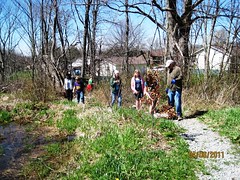
4-7-11 Shady Sping Middle School Enviroment Club, a photo by West Virginia Library Commission on Flickr.
Armenia--a small nation between the Black and Caspian Seas that is about the size of the state of Maryland--has about 430 rural dumps and 50 urban dumps. None of them have been constructed in a sanitary or environmentally sound fashion. In many places, trash is just tossed in gorges, ravines, or stream beds. Many Armenians take their garbage, including plastics, and burn it--a practice that releases toxic fumes into the air. Trash piles line the roadways and clog the rivers, posing hazards for animals, birds, and fish. Animals and birds scavenge the piles and dumps and spread germs and disease.
One of Earth Island Institute's newest projects--the Armenian Environmental Network--is working to change this situation.
Fortunately, Armenia has a number of waste laws that, if followed, would greatly reduce the dangers posed to both humans and the environment by improper disposal. Unfortunately, Armenia lacks any coherent waste-management policy enforcement or procedures to create landfills. Nor are there any mechanisms for monitoring waste stream flows and disposal practices.
The Republic of Armenia is a signatory to several international conventions aimed at protecting the people and environment from hazardous wastes, chemicals, and other pollutants. These conventions, including the Basel Convention on Hazardous Wastes (1999) and the Stockholm Convention (2004), require the proper reporting and disposal of hazardous wastes in structurally sound facilities. Armenia is also a signatory to the Aarhus Convention on Access to Information, Public Participation in Decision-making, and Access to Justice in Environmental Matters (2003). But the country has been in violation of all three of the above conventions, with a particular proclivity for repeated violations of the Aarhus Convention.
In an attempt to remedy the situation, the Armenian Environmental Network (AEN)--in partnership with the Urban Foundation for Sustainable Development, the American University of Armenia, and rural villages throughout the country--is set to implement Armenia's first comprehensive integrated waste management project. The project will focus on recycling and reuse of household waste, public education about waste segregation and management, a comprehensive con> posting program, and the construction of an appropriate technology sanitary landfill in the village of Akhurian.
The project is designed specifically for implementation in rural areas, where public funds are in especially short supply. The challenge for AEN and its partners is to create a system that is both affordable and sustainable. Using appropriate technology, regional National pressure is one way to convince the sanitary landfills can be constructed for a fraction of the cost of landfills in Europe and the United States. These landfills necessarily are low-tech and designed to be maintained without too much effort. At the very least, the landfills will have to prevent any leaching into natural water sources, allow for the safe dispersal of methane gas, and cover wastes daily. The pilot project will also demonstrate how landfills can be easily accessed by garbage trucks, and structure a recycling program.
AEN's project concept is designed to be replicable so it can serve as a model for other rural villages that hope to solve their waste problems. AEN envisions that villages close to one another could combine resources to create regional landfills. Approximately 50 medium-sized regional landfills would be sufficient to accommodate the country's needs.
Armenia's amazing natural beauty can shine through only when trash and litter are contained properly.
Take Action
To make a donation of money or technical expertise to AEN, please visit www armenia-envirenment.erg International pressure is one way to convince the Armenian government to take action on the waste issue. Visit gov.am/en/structure/5! and ask First Deputy Minister Simon Papyan to make waste disposal a priority.
Wallace, Kirk
Source Citation
Wallace, Kirk. "Armenian environmental network: waste not." Earth Island Journal Spring 2012: 17. Environmental Studies and Policy. Web. 15 Apr. 2012.
Document URL
http://go.galegroup.com/ps/i.do?id=GALE%7CA282580701&v=2.1&u=22054_acld&it=r&p=PPES&sw=w
Gale Document Number: GALE|A282580701
Monday, February 13, 2012
Beuchat Scuba Diving Wetsuits Arrive in Canada, Creating Jobs inMontreal; France-based Beuchat International announces the selection ofMontreal-based Waddell Aquatics as the Canadian distributor of itsindustry-leading line of products for scuba diving, freediving,spearfishing and snorkeling. At least 2 jobs created in Montreal, QC
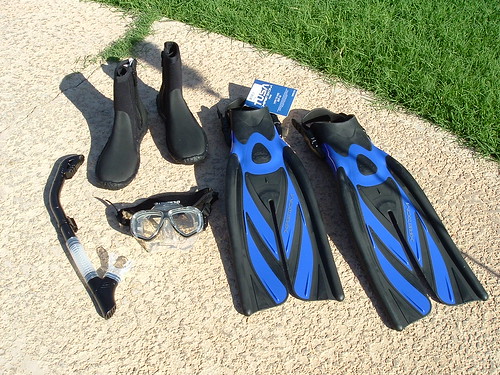
MONTREAL, QUEBEC, Oct 15, 2009 (MARKETWIRE via COMTEX) -- Today, Beuchat International announces a partnership with Waddell Aquatics for the distribution of its scuba diving, freediving, spearfishing and snorkeling lines of products to Canadian water sport enthusiasts. This partnership enables scuba diving and water sport retailers across Canada to gain easy access to hundreds of products previously unavailable to Canadian markets.
Beuchat becomes the first brand of scuba diving gear distributed in Canada by a Quebec-based company.
Founded by George Beuchat in Marseille in the 1930s, Beuchat International is a worldwide market leader in the fields of scuba diving and spearfishing. Distributed around the world into over 80 countries, Beuchat has been involved in the development of all aspects of underwater activities. The Beuchat name is associated with the history of scuba diving.
Albert Falco, captain of the famous Calypso was introduced to scuba diving and to Cousteau by George Beuchat near Marseille in France. It's in 1953 that George Beuchat invented the first isothermal diving suit. In the 60s, he created the "Jet Fin", a product used by military and commercial divers around the world.
"We are proud to bring Beuchat high-end products to Canadian scuba divers, freedivers and water sport enthusiasts" said Darcy Kieran, President & CEO of Montreal-based Waddell Aquatics. "In particular, we are looking forward to introducing to Canadians the Beuchat cold-water wetsuits designed by the inventors of the wetsuit! We believe the 'Elaskin' superflex Focea Comfort 2 with 'Fireskin' inside and Beuchat's unique 'Water Dam System' will prove to be a perfect wetsuit for scuba diving in Canada."
Waddell Aquatics has been providing goods and services to water sport enthusiasts since 1975 from its location in NDG in Montreal, QC, Canada. Founded by Bill Waddell, the enterprise is now owned by Darcy Kieran, an industrial engineer specialized in new product development and commercialization.
"The addition of the Beuchat lines of products to our current operations will create at least 2 additional jobs in Montreal" announced Darcy Kieran.
"We believe Darcy Kieran's team is the best fit for Beuchat International because of Mr. Kieran's extensive knowledge and experience in both water sport activities and business management" said Christophe Margnat, Managing Director of Beuchat International in Marseille, France.
Darcy Kieran is a PADI Course Director, the highest certification level in recreational scuba diving in the World. He has been training scuba diving instructors in Montreal since 2000. He is also an instructor trainer for technical diving involving the use of mixed gases like helium and enriched air, as well as a DAN Examiner and EFR Instructor Trainer. He is an Industrial Engineer graduate from the Ecole Polytechnique at the University of Montreal and holds an MBA from McGill University in Montreal.
Contacts:
Waddell Aquatics Ltd.
Darcy Kieran
President & CEO
(1) 514-429-1237 / Cellular: 514-943-0940
514-429-1238 (FAX)
info@waddellaquatics.com
http://waddellaquatics.com / http://beuchat.ca
Beuchat International
Sylvie Cannelle
International Sales Manager
(33) 4-91-09-44-62
33-4-91-60-06-94 (FAX)
sylvie.beuchat@gmail.com
http://beuchat.fr
SOURCE: Waddell Aquatics / Beuchat International
Source Citation
"Beuchat Scuba Diving Wetsuits Arrive in Canada, Creating Jobs in Montreal; France-based Beuchat International announces the selection of Montreal-based Waddell Aquatics as the Canadian distributor of its industry-leading line of products for scuba diving, freediving, spearfishing and snorkeling. At least 2 jobs created in Montreal, QC." Internet Wire 15 Oct. 2009. Gale Power Search. Web. 13 Feb. 2012.
Document URL
http://go.galegroup.com/ps/i.do?id=GALE%7CA209689200&v=2.1&u=22054_acld&it=r&p=GPS&sw=w
Gale Document Number: GALE|A209689200


MONTREAL, QUEBEC, Oct 15, 2009 (MARKETWIRE via COMTEX) -- Today, Beuchat International announces a partnership with Waddell Aquatics for the distribution of its scuba diving, freediving, spearfishing and snorkeling lines of products to Canadian water sport enthusiasts. This partnership enables scuba diving and water sport retailers across Canada to gain easy access to hundreds of products previously unavailable to Canadian markets.
Beuchat becomes the first brand of scuba diving gear distributed in Canada by a Quebec-based company.
Founded by George Beuchat in Marseille in the 1930s, Beuchat International is a worldwide market leader in the fields of scuba diving and spearfishing. Distributed around the world into over 80 countries, Beuchat has been involved in the development of all aspects of underwater activities. The Beuchat name is associated with the history of scuba diving.
Albert Falco, captain of the famous Calypso was introduced to scuba diving and to Cousteau by George Beuchat near Marseille in France. It's in 1953 that George Beuchat invented the first isothermal diving suit. In the 60s, he created the "Jet Fin", a product used by military and commercial divers around the world.
"We are proud to bring Beuchat high-end products to Canadian scuba divers, freedivers and water sport enthusiasts" said Darcy Kieran, President & CEO of Montreal-based Waddell Aquatics. "In particular, we are looking forward to introducing to Canadians the Beuchat cold-water wetsuits designed by the inventors of the wetsuit! We believe the 'Elaskin' superflex Focea Comfort 2 with 'Fireskin' inside and Beuchat's unique 'Water Dam System' will prove to be a perfect wetsuit for scuba diving in Canada."
Waddell Aquatics has been providing goods and services to water sport enthusiasts since 1975 from its location in NDG in Montreal, QC, Canada. Founded by Bill Waddell, the enterprise is now owned by Darcy Kieran, an industrial engineer specialized in new product development and commercialization.
"The addition of the Beuchat lines of products to our current operations will create at least 2 additional jobs in Montreal" announced Darcy Kieran.
"We believe Darcy Kieran's team is the best fit for Beuchat International because of Mr. Kieran's extensive knowledge and experience in both water sport activities and business management" said Christophe Margnat, Managing Director of Beuchat International in Marseille, France.
Darcy Kieran is a PADI Course Director, the highest certification level in recreational scuba diving in the World. He has been training scuba diving instructors in Montreal since 2000. He is also an instructor trainer for technical diving involving the use of mixed gases like helium and enriched air, as well as a DAN Examiner and EFR Instructor Trainer. He is an Industrial Engineer graduate from the Ecole Polytechnique at the University of Montreal and holds an MBA from McGill University in Montreal.
Contacts:
Waddell Aquatics Ltd.
Darcy Kieran
President & CEO
(1) 514-429-1237 / Cellular: 514-943-0940
514-429-1238 (FAX)
info@waddellaquatics.com
http://waddellaquatics.com / http://beuchat.ca
Beuchat International
Sylvie Cannelle
International Sales Manager
(33) 4-91-09-44-62
33-4-91-60-06-94 (FAX)
sylvie.beuchat@gmail.com
http://beuchat.fr
SOURCE: Waddell Aquatics / Beuchat International
Source Citation
"Beuchat Scuba Diving Wetsuits Arrive in Canada, Creating Jobs in Montreal; France-based Beuchat International announces the selection of Montreal-based Waddell Aquatics as the Canadian distributor of its industry-leading line of products for scuba diving, freediving, spearfishing and snorkeling. At least 2 jobs created in Montreal, QC." Internet Wire 15 Oct. 2009. Gale Power Search. Web. 13 Feb. 2012.
Document URL
http://go.galegroup.com/ps/i.do?id=GALE%7CA209689200&v=2.1&u=22054_acld&it=r&p=GPS&sw=w
Gale Document Number: GALE|A209689200
Wednesday, February 8, 2012
Influence of family caregiver caring behavior on COPD patients'self-care behavior in Taiwan
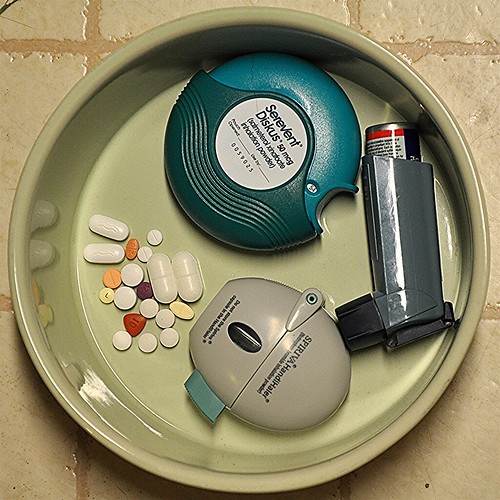
Chronic obstructive pulmonary disease (COPD) results in millions of visits to medical care facilities annually. In Taiwan, crude COPD mortality was unchanged from 1981 to 1993 (8.26-8.47 deaths per 100,000 population) and then increased steadily thereafter to 17.88 per 100,000 in 2002; after age standardization, mortality decreased from 8.6 to 4.91 per 100,000 population from 1981 to 1993 and then peaked at 7.36 per 100,000 in 1999. (1) The obstructive airway disease category, including COPD and other lower respiratory diseases, ranked seventh among leading causes of death in Taiwan in 2008, according to the government's annual report. As a chronic condition, COPD can be debilitating, become a long-term burden on family members who serve as day-to-day caregivers, and cause healthcare systems to incur substantial costs. COPD is both preventable and treatable. (2) One important aspect of COPD treatment is patient self-management. A study comparing patients with COPD and congestive heart failure found that COPD patients had lower self-efficacy and worse self-care behavior, attributable to differences in the nature of COPD versus congestive heart failure. (3)
Self-care behavior is a term that describes the skills needed by patients to adhere to COPD treatment regimens and change their health-related behavior in order to manage their symptoms and lead functional lives. (4) Self-care behavior requires education about the disease and its management, and psychological empowerment of the patients to participate fully in their own self-care. Self-care behavior can involve such important tasks as smoking cessation and regularly taking medications. In studies of professional caregivers such as nurses, additional education for COPD patients improved their disease knowledge and self-care behavior. (5,6) This improvement can lead to a reduction in COPD-related events and hospitalizations. (5,6) Although the published research on the effectiveness of self-management programs for COPD is insufficient and heterogeneous with regard to interventions, study populations, follow-up time, and outcome measures, a meta-review concluded that there was evidence of a significant reduction in hospital admissions and a small but significant improvement in health following education to improve self-care behavior. (4)
However, many if not most caregivers are family members rather than professionals. Family caregivers typically take care of the patients on a daily basis. These family caregivers lack the professional training to facilitate patient self-care behavior, which, when improved, may in turn help to reduce the caregiver burden. A fairly recent study measuring the relationships of caregivers and COPD patients and the associated caregiver burden concluded that COPD caused a significant impact on the quality of life of caregivers, and that the 2 most important predictors of the caregiver burden for COPD patients are the relationships between patients and their caregivers and the attitude and ability of caregivers. (7) Our clinical experience and previous studies (5-7) reveal that quality of life, caring behavior, and psychosocial adjustment of family caregivers are inevitably affected by the patient's physical and psychological conditions. As the patient's need for support increases, the caregiver may find it more difficult to meet those needs, and debate continues on whether more care giver care behavior will have a positive effect on the patient's self-management. In general, however, the influence of family caregivers on COPD patients' self-care behavior has been poorly explored in the literature, and evidence-based recommendations are needed. (8) The purpose of this study was to investigate the relationships between self-management and the caregiver burden, and the influence of family caregivers' caring behavior on self-care behavior in COPD patients. We hypothesized that family caregivers' caring behavior and caregivers' reactions to the caregiving work load would significantly affect the self-care behavior of COPD patients.
Methods
Participants
This study was conducted between March 2007 and January 2008. Study subjects were recruited from the outpatient departments of the hospitals of the research team. In this cross-sectional study, clinical thoracic patients and their family caregivers were selected by convenience sampling among volunteers in 3 medical centers and 3 regional hospitals in north-central Taiwan. Primary family caregivers were defined as family members who provided regular, almost day-to-day care for elder patients. Four hundred forty-nine patients diagnosed with COPD according to the definition suggested by the Global Initiative for Chronic Obstructive Lung Disease (GOLD) (9) were initially recruited for enrollment and volunteered to participate. All patients had signed the informed consent. COPD severity was graded according to lung function values by spirometry as follows: Stage 0, normal spirometry with chronic productive cough; Stage 1, mild; Stage 2, moderate; Stage 3, severe, or Stage 4, very severe. (2) After COPD severity was graded, patients with COPD severity of stage 0 (no. = 32) were excluded and the effective number of patients was 417. For these 417 patients, 406 caregivers were identified and signed the informed consent. However, Only 192 of these were primary family caregivers, constituting 192 pairs of patients and their primary family caregivers who were identified and included in this study. Inclusion criteria were age > 40 years and physician confirmation of COPD for patients, a family member was the caregiver, and normal cognitive functioning and the absence of psychiatric illness for patients and caregivers. All pairs of patients and caregivers were immediately given the questionnaires in an office near the out-patient department. By providing the questionnaires on site rather than by mail delivery, the response rate for the 192 pairs was 100%.
[FIGURE 1 OMITTED]
Ethics
Since the patients and their family caregivers were selected from 6 hospitals, this study was approved by the institutional review board of individual hospitals. Written informed consent was obtained from all patients and their family members.
Conceptual Framework
The conceptual framework for this study was modified from the model devised by Dunbar et al (2008). (10) The model, shown in Figure 1, provides direction for family-focused interventions that target the patient and family knowledge and skills; family support, functioning, motivation, and behavior; as well as the family context to improve self-care and ultimately outcomes. It is based on a definition of self-management that includes self-care decisions and actions arising from self-care behavior, which are influenced by individual characteristics (age, sex, ethnicity, preferences, and patterns); clinical characteristics (acuity of illness, cognitive status, comorbidities, and self-care regimens); behavior characteristics (motivation, self-efficacy or confidence, mood states, and ability to adjust behavior altered by depression or anxiety); and prerequisite knowledge and skills to perform these behaviors. (10) Since this study investigated self-management and self-care activity within a family context, and cultural beliefs of participants may influence behavior, we also added health belief to the conceptual framework based on the health belief model proposed by Harvey and Lawson. (11)
Measuring Instruments
Data were collected by administering 9 questionnaires to patients and family caregivers. All scales used have previously demonstrated validity and reliability (internal consistency), including establishing reference ranges for correlation coefficients as derived from the Spearman rank correlation in the manner of the London Chest Activity of Daily Living Scale for use in patients with COPD (12) and validation by expert review in which the experts on a panel specified their level of agreement to the stated items according to the method of Hyrkas et al. (13) Modified scales were validated according to the method of Rubio et al, (14) which calculates content validity index (CVI) by computing the CVI for each item and dividing the number of experts who rated the item above 3 points by the total number of experts, which represents the proportion of experts who deemed each item as valid content; the instrument CVI was estimated by calculating the average CVI across items by the number of items.
The 9 questionnaires included:
For patients and caregivers:
* background information of COPD patients and their family caregivers
* disease-related knowledge scale, a modified version of the Bristol COPD Knowledge Questionnaire (BCKQ) (15)
For patients only:
* Disease Characteristics of COPD questionnaire with 3 subdomains (patient history of COPD, dyspnea severity measured by Borg categories scale, (16) an evaluation index for degree of breathing difficulty, and severity of COPD using the Global Initiative for Chronic Obstructive Lung Disease definition (2))
* Functional status scale to measure patients' ability to perform activities of daily living using the Chinese version of the Barthel index1 (17,18)
* Chinese-language COPD Health Belief scale, (19) which was modified from the original to measure 4 components of the Champion Health Belief Model Scale (20,21)
* Modified COPD Self-Efficacy scale (22) to assess patients' confidence in their ability to avoid or manage breathing difficulties in specific situations
* Patient Self-Care Behavior Scale (23) modified based on a combination of Orem's Deficiency of Self-Care nursing theory, (24) a self-care behavior scale for heart failure patients, (25) international literature, and researchers' clinical experience with COPD patients
For caregivers only:
* Family caregiver caring behavior scale revised from Family Caregivers of Cancer Patients Care-Taking Scale (26)
* Caregiver Reaction Assessment scale using the Chinese translation of the Caregiver Reaction Assessment scale (27) to assess caregivers' perceptions of caregiving based on actual work load
All questionnaires were administered by inviting participants into an examining room individually, where they were asked to respond to the questions either by writing their answers or responding orally to the investigator.
All questionnaires are described in detail in the addendum of this report, including specific modifications (see the supplementary material related to this paper at http:// www.rcjournal.com).
Statistical Analyses
Continuous and categorical variables were presented as mean [+ or -] SD and number (percentage), respectively. In univariate analysis, independent t tests and one-way analysis of variance (ANOVA) were performed to examine differences between the categorical variables and the patient's self-care behavior scale. Spearman's rank correlation was implemented to correlate continuous variables with the patients' self-care behavior scale, as implemented by Garrod et al. (12) Five levels of correlation were defined for the correlation coefficients: very weak ([rho] [less than or equal to] 0.2), weak (0.2 < [rho] [less than or equal to] 0.4), moderate (0.4 < [rho] [less than or equal to] 0.6), strong (0.6 < [rho] [less than or equal to] 0.8) and very strong ([rho] > 0.8). In multivariate analyses, factors with P values < .2 in univariate analysis were put into a backward multivariate linear regression model to ascertain the effectors of the patient self-care behavior scale. Next, age, and sex were put into the backward multivariate linear regression model to control for their effects. The Cronbach [alpha] coefficient was used to determine the reliability and CVI for the validation of scales. All 2-sided statistics were performed by SPSS 15.0 statistical software (SPSS, Chicago, Illinois). Statistical significance was defined as a P value < .05.
Results
Table 1 summarizes the characteristics of all 192 patients and their 192 family caregivers. The majority of the patients were elderly, married, unemployed men, and with less than a junior high school education. The majority of the family caregivers were younger, employed women, with an education level above senior high school, and low social economic status, who had been caring for the patient for a mean of 6.0 years, 6.1 days per week, and 13.7 hours per day. Slightly more than half of the family caregivers were the spouses of the patients. Half of the family caregivers were the sole patient caregivers on a daily basis and half had other help. Most caregivers did not report having a chronic illness themselves. Missing data included one patient without report of COPD severity, one patient without report of other chronic diseases, and 33 patients without indication of specified duration [greater than or equal to] 5 years; these patients' data were excluded from analysis of variables without correction made for missing data.
Most patients self-reported having moderate or severe COPD and some reported having other chronic diseases, or that they had been hospitalized or visited an emergency ward, had suffered medication side effects, or had been intubated. The patients were fairly optimistic about their health. On average, the patients reported a very high functional status regarding performance of activities of daily living, but had extremely low confidence in their ability to avoid breathing difficulty while participating in certain activities.
Some patients had received COPD health education, and the average patient BCKQ score (21.6 [+ or -] 5.6) showed a moderate level of disease-related knowledge; however, family caregivers on average showed a much better understanding of COPD (BCKQ 77.1 [+ or -] 12.0). Our data showed an average score (72.5 [+ or -] 7.4) slightly above the median of the range on the Caregiver Reaction Assessment scale (reaction of family caregivers to their caregiving burden). Likewise, a moderate score (104.4 [+ or -] 33.7) was shown on the family caregiver caring behavior scale (level of physical, social, and emotional care required of the caregivers).
Table 2 shows the results of the Spearman rank correlation between patients' self-care behavior scale and patients' age, Barthel index, Health Belief scale, self-efficacy scale, self-care scale, and total BCKQ scores. Patients' age and total scores on the Health Belief scale, self-efficacy scale, and BCKQ were positively correlated with patients' self-care behavior scale scores.
Table 2 also shows the correlation between patients' self-care behavior and family caregiver response, care behavior, BCKQ, and frequency of care. The scale of family caregivers' caring behavior was negatively correlated with the patients' self-care behavior scale ([rho] = -0.21, P = .003), suggesting that better caregiving may result in worse patient self-care behavior. In contrast, duration of family caregivers' care was positively correlated with patients' self-care behavior scale ([rho] = 0.15, P = .037), suggesting that a longer duration of family caregivers' care may improve patients' self-care behavior.
Table 3 presents the comparison of patients' self-care behavior between patients' different categorical characteristics and between family caregivers' characteristics, respectively. Results indicate that the difference in patients' religious beliefs, specified duration, regularly taking medication, history of other diseases, side effect experiences, history of emergency ward visits, and history of hospitalization were related to the patients' self-care behavior scale scores. However, the comparison did not find any significant differences in patients' self-care behavior scores between different family caregivers' categorical characteristics (see Table 3).
Table 4 shows results of a simple linear regression model and stepwise multiple linear regression models to analyze the correlation between multiple factors and patients' self-care behavior scale. Variables that significantly correlated with patient self-care behavior from the correlational analysis were considered as factors for simple linear regression model. (See Table 2). Significant patients' characteristics (P < .2) were also considered as factors related to patients' self-care behavior scale. The results of the simple linear regression model showed that the average of patients' self-care behavior scale might be significantly correlated with some potential factors (P < .2). All of the potential factors were included into following stepwise multiple linear regression analysis by controlling age and sex. After controlling for age and sex, stepwise multiple linear regression analysis (see Table 4) indicated that patients' self-care behavior scale score might be positively correlated with patient age ([beta] = 0.24; P = .048), patients whose spouse was the primary caregiver ([beta] = 3.22; P = .038), total Health Belief scale score ([beta] = 0.33; P = .003), self-efficacy scale score ([beta] = 4.61; P = .001), and patients' total BCKQ score ([beta] = 0.41; P = .006). However, patients' self-care behavior scale score may be negatively correlated with family caregiver total BCKQ score by 0.13 (P = .041) and the family caregiver care behavior scale score by 0.06 (P = .013). The [R.sup.2] of the stepwise multiple linear regression model was 0.316, indicating that 31.6% of variation of patients' self-care behavior scale score could be predicted by the multiple factors adjusting for patients' age and sex.
Discussion
We investigated the relationships between self-management and the caregiver burden, and the influence of family caregivers' caring behavior on COPD patients' self-care behavior. The relationship between patients' self-care behavior and their caregivers' involvement was complex. Our major findings were that patients' self-care behavior was negatively correlated with family caregivers' caring behavior and their COPD knowledge, but positively correlated with the duration of care provided by a family caregiver, especially when the caregiver was the spouse. Patients with a spouse as caregiver exhibited higher self-care ability.
Our hypothesis was that family caregivers' caring behavior and caregiver reactions (perception of caregiving based on work load) might significantly affect COPD patients' self-care behavior. Relative to this, several aspects of familial caregiving were negatively associated with patients' self-care behavior, including higher levels of family caregivers' caring behavior and family caregivers' disease knowledge. These results likely reflect greater patient dependence on involved familial caregivers.
Although stepwise multiple linear regression analysis revealed a negative correlation between patients' self-care behavior and caregivers' care behavior (total BCKQ and family caregiver care behavior scale scores), a positive correlation was shown between duration of family caregivers' care and patients' self-care behavior. While these results show that longer duration of family caregivers' care may improve patients' self-care behavior, this may seem contradictory to the expectation that more caregiver assistance would be needed as COPD symptoms progress with time, and patients' self-care ability would decrease owing to greater breathlessness, cough, fatigue, and weakness. Previous reports show statistically significant positive relationships between family support and self-care behavior among COPD patients. (28,29) However, no studies report the quantitative investigation of the relationship between duration of family caregivers' care and COPD patients' self-care behavior, as we have done. In our study, although a definite positive relationship was shown, our interpretation is limited because the typically increasing severity of COPD, including symptoms such as breathlessness, cough, fatigue, and weakness, was not considered as a confounder when the relationship between self-care behavior and caregiver behavior was analyzed.
Our study also identified several patient-related factors that were significantly correlated with improved quality of patients' self-care behavior. These include patients' older age and higher levels of health belief, self-efficacy, and COPD-related knowledge. An unexpected finding was the lower scores in patients' self-care behavior among patients who were regularly taking medication. It is possible that the higher scores concerning regularly taking medication and the lower self-care behavior scale scores were related to these patients having highly involved familial caregivers.
In a study utilizing different methodology, COPD patients' self-care behavior was found to be negatively influenced by depression, previous alcohol dependence, low self-efficacy, and less perceived influence over COPD symptoms, whereas patients with a self-management plan had better knowledge and self-care behavior. (30) Self-care behavior in this context is an aspect of the patient's self-management plan, described for our study as the skills needed by patients to adhere to COPD treatment regimens and to change their health behavior in order to manage their symptoms and lead functional lives. Although we did not specifically measure depression, history of alcohol dependence, or other psychopathology and its impact on patient self-care behavior and family caregiver caring behavior, we did arrive at a conclusion regarding the effect of self-efficacy. The results of this study make an important contribution to the literature, but in a direction unanticipated by other researchers. In their review of the literature on caregivers of COPD patients, Caress et al stated that few research reports have been published on effective and appropriate training of family caregivers of COPD patients, and that knowledge of the needs of caregivers is critical so that they can have the information they need to maintain their own physical and emotional health. (8) Although we agree that caregivers' needs must be understood and met, our results appear to discourage intensive training and involvement of family member caregivers, placing the responsibility for disease management instead on COPD patients themselves and also on the nature of the patient/caregiver relationship. This tends to imply that the amount of caregiving needed, and therefore the related caregiver burden, may influence both the quality of life of caregivers and also the caregiver/patient relationship. Relative to this, Pinto et al in 2007 investigated the effects of COPD on caregivers' quality of life using a cross-sectional study conducted with 42 COPD patients and their caregivers; they concluded that COPD in a family member has a significant impact on the quality of the caregivers' lives and that the relationship between patients and their caregivers was an important predictor of the COPD burden. (7) In our study, a negative correlation between the scale of family caregiver caring behavior and the scale of self-care behavior of COPD patients showed that increasing the self-care behavior of COPD patients may reduce the burden on family caregivers providing day-to-day care. We also demonstrated a positive effect on patients' self-care behavior scale scores in patients whose spouse was the primary caregiver; patients whose spouse was caregiver exhibited higher self-care ability than patients not married to their caregivers. These findings may support the idea that a closer, more defined patient/caregiver relationship contributes to a reduced caregiver burden due to the patient's more willing role in self-care management, in other words, greater cooperation. This may also suggest placing less emphasis on intensive caregiver training and more emphasis on encouraging positive patient/caregiver relationships.
Another study, by Kanervisto et al in 2007, (31) agrees with this to some extent, suggesting that the needs of COPD patients at the social level, especially the relationship with spouses, include having peer support for encouragement, information about rehabilitation programs, and simply to help the COPD patients forget their own poor condition; they indicated further that spouses or other caregivers needed support from treating personnel to help maintain their supporting role in the lives of the COPD patients. In the present study, when spouses were the primary caregivers, we observed a reduced tendency toward poor self-care behavior among patients, perhaps because of the nature of the spousal relationship. This may indicate that spouses are appropriate primary caregivers when this is possible.
Strict generalizability of our results is limited to the population from which the sample was obtained. However, it is likely that many of these observations are applicable to the broader socio-cultural context of Taiwan and Southeast Asia to a significantly higher degree than results from other studies utilizing different populations. Although some general conclusions from this study could apply to other chronic diseases requiring patient self-care behavior, specific results may not be applicable to these patients. Likewise, the extent that these results apply to patients and caregivers in the context of end-stage terminal COPD is unknown.
Regarding possible future studies, we might examine further the negative correlation shown in this study between family caregivers' total score for the BCKQ instrument and their caregiver caring behavior score and patients' self-care behavior scores. Conducting a qualitative study comparing families that feel obligated to care for the elderly under the traditional Chinese concept of "filial piety" and families that do not respect the tradition may help determine whether the filial piety tradition may discourage patients from gaining confidence in their self-care abilities.
This study had several limitations, including that certain pairs of COPD patients and their caregivers had to be excluded because a family member was not the major caregiver. Additionally, the questionnaires, although they were well-documented tools shown to have acceptable content validity and reliability (internal consistency), had been modified for this study and may not have retained their original characteristics; they may also have response bias due to the nature of self-reporting. As mentioned above, another limitation is that the severity of COPD was not considered as a confounder when the relationship between self-care behavior and caregiver behavior was analyzed, which may somewhat restrict interpretation. The modest size of our study correlations must be noted as well, since this may also limit interpretation to some degree. Further study is warranted to support our conclusions.
Conclusions
In conclusion, our findings indicate that rigorous caregiving is associated with less self-reliance among COPD patients and also that increasing COPD patients' self-care behavior may reduce the caregiver burden on relatives who provide day-to-day caregiving. The positive correlation between the duration of family caregivers' care and patients' self-care behavior may indicate that, with enough time, the relationships between familial caregiver and patient become more supportive of self-care behavior, or that the transition to appropriate self-care behavior is delayed by familial caregivers' tendency to over-care for the COPD patient. We further suggest that self-care behavior among COPD patients could be improved by providing disease-related education to increase COPD knowledge among both patients and caregivers, and by training family caregivers to promote elder patients' independence and self-care ability. Also, reducing dependence on caregivers may empower patients to gain confidence in their ability to implement the necessary behaviors to manage symptoms and reduce hospitalizations.
QUICK LOOK
Current knowledge
COPD is a substantial cost burden to the healthcare system and a substantial burden on family and caregivers.
What this paper contributes to our knowledge
The caring behavior of family caregivers can have a negative effect on the self-care behavior of COPD patients. Family may provide too much care, reducing the patient's self reliance.
REFERENCES
(1.) Kuo LC, Yang PC, Kuo SH. Trends in the mortality of chronic obstructive pulmonary disease in Taiwan, 1981-2002. J Formos Med Assoc 2005;104(2):89-93.
(2.) Global Initiative for Chronic Obstructive Lung Disease (GOLD). The global strategy for the diagnosis, management and prevention of COPD. December 2011. http://www.goldcopd.org/ guidelines-globalstrategy-for-diagnosis-management.html. Accessed January 6, 2012.
(3.) Arnold R, Ranchor AV, DeJongste MJ, et al. The relationship between self-efficacy and self-reported physical functioning in chronic obstructive pulmonary disease and chronic heart failure. Behav Med 2005;31(3):107-115.
(4.) Effing T, Monninkhof EM, van der Valk PD, van der Palen J, van Herwaarden CL, Partidge MR, et al. Self-management education for patients with chronic obstructive pulmonary disease. Cochrane Database Syst Rev 2007;(4):CD002990.
(5.) Connelly CE. Self-care and the chronically ill patient. Nurs Clin North Am 1987;22(3):621-629.
(6.) Shakur H. (2003) A COPD self management programme reduced hospital use and improved health status. Evid Based Nurs 2003;6(4): 111.
(7.) Pinto RA, Holanda MA, Medeiros MM, Mota RM, Pereira ED. Assessment of the burden of caregiving for patients with chronic obstructive pulmonary disease. Respir Med 2007;101(11):2402-2408.
(8.) Caress AL, Luker KA, Chalmers KI, Salmon MP. A review of the information and support needs of family carers of patients with chronic obstructive pulmonary disease. J Clin Nurs 2009;18(4):479-491.
(9.) Pauwels RA, Buist AS, Calverley PM, Jenkins CR, Hurd SS; GOLD Scientific Committee. Global strategy for the diagnosis, management, and prevention of chronic obstructive pulmonary disease. NHLBI/WHO Global Initiative for Chronic Obstructive Lung Disease (GOLD) Workshop summary. Am J Respir Crit Care Med 2001;163(5):1256-1276.
(10.) Dunbar SB, Clark PC, Quinn C, Gary RA, Kaslow NJ. Family influences on heart failure self-care and outcomes. J Cardiovasc Nurs 2008;23(3):258-265.
(11.) Harvey JN, Lawson VI. The importance of health belief models in determining self-care behaviour in diabetes. Diabet Med 2009;26(1): 5-13.
(12.) Garrod R, Paul EA, Wedzicha JA. An evaluation of the reliability and sensitivity of the London Chest Activity of Daily Living Scale (LCADL). Respir Med 2002;96(9):725-730.
(13.) Hyrkas K, Appelqvist-Schmidlechner K, Oksa L. Validating an instrument for clinical supervision using an expert panel. Int J Nurs Stud 2003;40(6):619-625.
(14.) Rubio DM, Berg-Weber M, Tebb SS, Lee ES, Rauch S. Objectifying content validity: conducting a content validity study in social work research. Social Work Res 2003;27:94-104.
(15.) White R, Walker P, Roberts S, Kalisky S, White P. Bristol COPD Knowledge Questionnaire (BCKQ): testing what we teach patients about COPD. Chron Respir Dis 2006;3(3):123-131.
(16.) Kendrick KR, Baxi SC, Smith RM. Usefulness of the modified 0-10 Borg scale in assessing the degree of dyspnea in patients with COPD and asthma. J Emerg Nurs 2000;26(3):216-222.
(17.) Leung SO, Chan CC, Shah S. Development of a Chinese version of the Modified Barthel Index- validity and reliability. Clin Rehabil 2007;21(10):912-922.
(18.) Sun TK, Chiu SC, Yeh SH, Chang KC. Assessing reliability and validity of the Chinese version of the stroke scale: scale development. Int J Nurs Stud 2006;43(4):457-463.
(19.) Shiao YJ. Effects of a teaching program on hypertensive clients' knowledge, health belief and compliant behavior. Unpublished Master's thesis, National Taiwan University, Taipei, Taiwan. 1994.
(20.) Champion VL. Instrument development for health belief model constructs. Adv Nurs Sci 1984;6(3):73-85.
(21.) Tavafian SS, Hasani L. Aghamolaei T, Zare S, Gregory D. Prediction of breast self-examination in a sample of Iranian women: an application of the Health Belief Model, BMC Womens Health 2009; 29(9):37.
(22.) Wigal JK, Creer TL, Kotses H. The COPD Self-Efficacy Scale. Chest 1991;99(5):1193-1196.
(23.) Chen Y, Hsin H, Hsu J, Wu L. The lived experience of self-care in the elderly with chronic obstructive pulmonary disease. VGH Nursing 2004;21:105-116.
(24.) Orem DE, Vardiman EM. Orem's nursing theory and positive mental health: practical considerations. Nurs Sci Q 1995;8(4):165-173.
(25.) Lin M, Chao Y. The knowledge, attitudes and self-care behavior of patients with heart failure in Hualien. Tzu Chi Med J 2001;13:57-64.
(26.) Yang C. The development and testing of Cancer Caregivers' Need Q-sort Scale. Chang Gung University, Tao-Yuan, Taiwan. 2000; (Unpublished master's thesis).
(27.) Given CW, Given B, Stommel M, Collins C, King S, Franklin S. The caregiver reaction assessment (CRA) for caregivers to persons with chronic physical and mental impairments. Res Nurs Health 1992; 15(4):271-83.
(28.) Xiaolian J, Chaiwan S, Panuthai S, Yijuan C, Lei Y, Jiping L. Family support and self-care behavior of Chinese chronic obstructive pulmonary disease patients. Nurs Health Sci 2002;4(1-2):41-49.
(29.) Kacsikci MK, Alberto J. Family support, perceived self-efficacy and self-care behaviour of Turkish patients with chronic obstructive pulmonary disease. J Clin Nurs 2007;16(8):1468-1478.
(30.) Dowson CA, Town GI, Frampton C, Mulder RT. Psychopathology and illness beliefs influence COPD self-management. J Psychosom Res 2004;56(3):333-340.
(31.) Kanervisto M, Kaistila T, Paavilainen E. Severe chronic obstructive pulmonary disease in a family's everyday life in Finland: perceptions of people with chronic obstructive pulmonary disease and their spouses. Nurs Health Sci 2007;9(1):40-47.
Kwua-Yun Wang RN PhD, Pei-Yi Sung RN MSc, Sheng-Tzu Yang RN MSc, Chi-Huei Chiang MD, and Wann-Cherng Perng MD
Dr Wang is affiliated with the Nursing Department, Taipei Veterans General Hospital, School of Nursing, National Defense Medical Center, Taipei, Taiwan. Ms Sung is affiliated with the Nursing Department, Tri-service General Hospital, Taipei, Taiwan. Ms Yang is affiliated with the Nursing Department, Chang-Gung Institute of Technology, Tao-Yuan, Taiwan. Dr Chiang is affiliated with the Pulmonary Immunology and Infectious Diseases Section, Chest Department, Taipei Veterans General Hospital, and with the Department of Medicine, National Yang-Ming University and National Defense Medical Center, Taipei, Taiwan. Dr Perng is affiliated with the Pulmonary Division, Tri-Service General Hospital, and with the National Defense Medical Center, Taipei, Taiwan.
The authors have disclosed no conflicts of interest.
Supplementary material related to this paper is available at http:// www.rcjournal.com.
Correspondence: Wann-Cherng Perng MD, National Defense Medical Center, No 325, Section 2, Chenggong Road, Neihu District, Taipei, 114, Taiwan, ROC. E-mail: wperng@ms27.hinet.net.
DOI: 10.4187/respcare.00986
Table 1. Characteristics of Study Participants
Characteristic Patients
(n = 192)
Age, mean [+ or -] SD, y 75.9 [+ or -] 8.9
Sex, no. (%)
Male 164 (85.4)
Female 28 (14.6)
Married, no. (%) * 153 (79.7)
Religious, no. (%) 139 (72.4)
Employed, no. (%) 15 (7.8)
Highest Educational Level, no. (%)
Elementary school 100(52.1)
Junior high school 35 (18.2)
Senior high school 24 (12.5)
College or above 33 (17.2)
Social Economic Status, no. (%)
Low 119 (62.0)
Moderate 36(18.8)
High 37 (19.8)
Rotary, no. (%) NA
Smoking, no. (%) 160 (83.3)
Severity of COPD, no. (%)f
Mild 17 (8.9)
Moderate 62 (32.5)
Severe 81 (42.4)
Very severe 31 (16.2)
Living with caregiver, no. (%) 154 (80.2)
Main caregiver, no. (%) 107 (55.7)
None 6(3.1)
Spouse 107 (55.7)
Son or daughter 67 (34.9)
Cohabitant 2 (1.0)
Nurse 8 (4.2)
Others 2 (1.0)
Weekly days of care, mean [+ or -] SD NA
Daily hours of care, mean [+ or -] SD NA
Duration of care, mean [+ or -] SD, y NA
Specified duration [greater than or 74 (46.5)
equal to] 5 y
Other (chronic) disease 109 (57.1)
Health education, no. (%) 55 (28.6)
Emergency ward, no. (%) 59 (30.7)
Hospitalization, no. (%) 51 (26.6)
Intubation, no. (%) 14 (7.3)
Other care-needed person(s) in home, no. (%) NA
Total score of BCKQ, mean [+ or -] SD 21.6 [+ or -] 5.6
Scale of caregivers' responses, NA
mean [+ or -] SD
Scale of family caregiver caring behaviors, NA
mean [+ or -] SD
Barthel index, mean [+ or -] SD 96.9 [+ or -] 10.4
Total score of Health Belief Model, 89.2 [+ or -] 7.5
mean [+ or -] SD
Self-Efficacy Scale, mean [+ or -] SD 3.5 [+ or -] 0.6
Patient's Self-Care Behavior Scale, 90.7 [+ or -] 11.9
mean [+ or -] SD
Characteristic Family Caregivers
(n = 192)
Age, mean [+ or -] SD, y 51.8 [+ or -] 13.1
Sex, no. (%)
Male 61 (31.8)
Female 131 (68.2)
Married, no. (%) * 171 (89.1)
Religious, no. (%) 153 (79.7)
Employed, no. (%) 103 (53.6)
Highest Educational Level, no. (%)
Elementary school 55 (28.6)
Junior high school 26 (13.5)
Senior high school 56 (29.2)
College or above 55 (28.6)
Social Economic Status, no. (%)
Low 101 (52.6)
Moderate 45 (23.4)
High 46 (24.0)
Rotary, no. (%) 97 (50.5)
Smoking, no. (%) NA
Severity of COPD, no. (%)f
Mild NA
Moderate NA
Severe NA
Very severe NA
Living with caregiver, no. (%) NA
Main caregiver, no. (%) NA
None NA
Spouse NA
Son or daughter NA
Cohabitant NA
Nurse NA
Others NA
Weekly days of care, mean [+ or -] SD 6.1 [+ or -] 2.0
Daily hours of care, mean [+ or -] SD 13.7 [+ or -] 8.9
Duration of care, mean [+ or -] SD, y 6.0 [+ or -] 5.4
Specified duration [greater than or NA
equal to] 5 y
Other (chronic) disease 61 (31.8)
Health education, no. (%) NA
Emergency ward, no. (%) NA
Hospitalization, no. (%) NA
Intubation, no. (%) NA
Other care-needed person(s) in home, no. (%) 37 (19.3)
Total score of BCKQ, mean [+ or -] SD 77.1 [+ or -] 12.0
Scale of caregivers' responses, 72.5 [+ or -] 7.4
mean [+ or -] SD
Scale of family caregiver caring behaviors, 104.4 [+ or -] 33.7
mean [+ or -] SD
Barthel index, mean [+ or -] SD NA
Total score of Health Belief Model, NA
mean [+ or -] SD
Self-Efficacy Scale, mean [+ or -] SD NA
Patient's Self-Care Behavior Scale, NA
mean [+ or -] SD
* Widow, widower, separated couple, married, or divorced people
were included.
([dagger]) The severity of COPD stage 1 was indicated as mild,
stage 2 as moderate, stage 3 as severe, and stage 4 as very
severe.
BCKQ = Bristol COPD Knowledge Questionnaire
NA = not applicable
Table 2. Correlational Analysis Between Patient Self-Care Behavior
and (1) Patient Age, Barthel Index, Health Belief Model,
Self-Efficacy Scale, Self-Care Scale and BCKQ Total
Score, and (2) Family Caregiver Response, Care Behaviors,
BCKQ, and Frequency of Care
Variable [rho] (P)
Patients
Age 0.16 (.03)
Barthel index 0.08 (.26)
Total score of Health Belief Scale 0.38 (< .001)
Self-Efficacy Scale 0.26 (< .001)
Total score of BCKQ 0.34 (< .001)
Family Caregivers
Scale of caregivers' responses 0.12 (.09)
Scale of family caregiver caring behaviors -0.21 (.003)
Family caregiver total score of BCKQ -0.13 (.08)
Weekly days of care 0.11 (.14)
Daily hours of care 0.09 (.21)
Duration of care 0.15 (.037)
BCKQ = Bristol COPD Knowledge Questionnaire
Table 3. Comparison of Patients' Self-Care Behavior Between
Patients' Different Categorical Characteristics, and Family
Caregivers' Characteristics
Patients' Self-Care
Behavior Scale for
Characteristic Patients' Characteristics P *
Sex .44
Male 90.4 [+ or -] 12.1
Female 92.3 [+ or -] 11.1
Highest Educational Level .12
Elementary school 88.8 [+ or -] 12.1
Junior high school 92.9 [+ or -] 12.4
Senior high school 94.5 [+ or -] 7.9
College or above 91.2 [+ or -] 12.8
Social economic status .21
Low 90.0 [+ or -] 10.9
Moderate 93.7 [+ or -] 12.9
High 90.8 [+ or -] 13.8
Marriage .08
Single 87.6 [+ or -] 13.4
Married ([double dagger]) 91.4 [+ or -] 11.5
Religion .038
No 87.8 [+ or -] 11.9
Yes 91.8 [+ or -] 11.8
Employed .34
No 90.9 [+ or -] 11.8
Yes 87.8 [+ or -] 13.7
Smoking .87
No 91.0 [+ or -] 9.5
Yes 90.6 [+ or -] 12.4
Spouse is the Main Caregiver .052
No 88.8 [+ or -] 12.7
Yes 92.2 [+ or -] 11.1
Severity of COPD .97
Mild 87.8 [+ or -] 13.2
Moderate 90.7 [+ or -] 12.1
Severe 90.1 [+ or -] 12.5
Very severe 93.4 [+ or -] 9.2
Specified Duration .009
<5y 87.7 [+ or -] 13.5
92.9 [+ or -] 11.0
Other (Chronic) Disease .001
No 87.4 [+ or -] 13.5
Yes 93.0 [+ or -] 10.0
Side Effect <.001
No 91.1 [+ or -] 11.7
Yes 87.1 [+ or -] 12.3
Had Patient Ever Had Health Education About COPD? .16
No 90.2 [+ or -] 12.3
Yes 91.8 [+ or -] 11.1
Had Patient Ever Visited Emergency Ward? .01
No 92.1 [+ or -] 11.5
Yes 87.3 [+ or -] 12.4
Had Patient Ever Had Intubation? .44
No 90.8 [+ or -] 12.1
Yes 88.3 [+ or -] 9.8
Patients' Self-Care
Behavior Scale for
Family Caregivers'
Characteristic Characteristics P ([dagger])
Sex .22
Male 89.1 [+ or -] 13.1
Female 91.4 [+ or -] 11.3
Highest Educational Level .73
Elementary school 92.4 [+ or -] 10.0
Junior high school 87.5 [+ or -] 14.8
Senior high school 89.8 [+ or -] 13.0
College or above 91.3 [+ or -] 11.1
Social economic status .25
Low 89.3 [+ or -] 12.5
Moderate 91.9 [+ or -] 11.2
High 92.4 [+ or -] 11.2
Marriage NA
Single
Married ([double dagger])
Religion .46
No 89.4 [+ or -] 11.8
Yes 91.0 [+ or -] 12.0
Employed .67
No 91.1 [+ or -] 11.2
Yes 90.3 [+ or -] 12.6
Smoking NA NA
No
Yes
Spouse is the Main Caregiver NA NA
No
Yes
Severity of COPD NA NA
Mild
Moderate
Severe
Very severe
Specified Duration NA NA
<5y
Other (Chronic) Disease NA NA
No
Yes
Side Effect NA
No
Yes
Had Patient Ever Had Health Ed NA NA
No
Yes
Had Patient Ever Visited Emerg NA NA
No
Yes
Had Patient Ever Had Intubatio NA NA
No
Yes
* The P values were derived from independent t-test or analysis of
variance (ANOVA) for comparing the patients' Self-Care Behavior
Scale among different categories of patients' characteristics.
([dagger]) The P values were derived from independent t-test or
ANOVA for comparing the patients' Self-Care Behavior Scale among
different categories of health caregivers' characteristics.
([double dagger]) Widow, widower, separated couple, married, or
divorced people were included.
Table 4. Simple Linear Regression Model and Stepwise Multiple
Linear Regression Model to Analyze the Correlation Between
Multiple Factors and Patient's Self-Care Behavior Scale
Simple Linear Regression Model
Factors [beta] (95% CI) P
Patient's age 0.18 (-0.01 to 0.37) .07 *
Patient's sex (female vs 1.91 (-2.91 to 6.73) .44
male)
Highest Educational Level
Elementary school vs 1.07 (-3.41 to 5.56) .64
college or above
Junior high school vs -3.75 (-9.35 to 1.85) .19 *
college or above
Senior high school vs -1.49 (- 5.95 to 2.98) .51
college or above
Marriage (married vs 3.78 (-0.42 to 7.98) .08 *
single)
Religion (yes vs no) 3.98 (0.21 to 7.75) .038 *
Spouse is the main 3.37 (-0.02 to 6.77) .052 *
caregiver (yes vs no)
Specified duration 5.22 (1.33 to 9.11) .009 *
([greater than or equal
to] 5 y vs < 5 y)
([double dagger])
Other (chronic) disease 5.63 (2.27 to 8.99) .001 *
([double dagger])
(yes vs no)
Side effect (yes vs no) -4.37 (-8.73 to 0.001) .050 *
Had patient ever had 1.63 (-2.13 to 5.38) .40
health education
about COPD? (yes vs no)
Had patient ever visited -4.81 (-8.44 to -1.19) .01 *
emergency ward?
(yes vs no)
Patient's total Health 0.48 (0.26 to 0.69) <.001 *
Belief score
Patient's Self-Efficacy 6.28 (3.49 to 9.07) <.001 *
Scale
Patient's total BCKQ score 0.74 (0.46 to 1.03) <.001 *
Family caregiver's total -0.17 (-0.31 to -0.03) .02 *
of BCKQ score
Duration of care by 0.19 (-0.13 to 0.50) .24
family members
Scale of family caregiver -0.07 (-0.12 to -0.02) .004 *
caring behaviors
Multiple Linear Regression Model
Factors [beta] (95% CI) P
Patient's age 0.24 (0.06 to 0.41) .048 ([dagger])
Patient's sex (female vs 3.22 (-0.94 to 7.39) .13
male)
Highest Educational Level
Elementary school vs ND
college or above
Junior high school vs ND
college or above
Senior high school vs ND
college or above
Marriage (married vs ND
single)
Religion (yes vs no) ND
Spouse is the main 3.22 (0.18 to 6.25) .038 ([dagger])
caregiver (yes vs no)
Specified duration ND
([greater than or equal
to] 5 y vs < 5 y)
([double dagger])
Other (chronic) disease 0.10 (-0.11 to 0.31) .34
([double dagger])
(yes vs no)
Side effect (yes vs no) ND
Had patient ever had ND
health education
about COPD? (yes vs no)
Had patient ever visited ND
emergency ward?
(yes vs no)
Patient's total Health 0.33 (0.12 to 0.54) .003 ([dagger])
Belief score
Patient's Self-Efficacy 4.61 (2.01 to 7.21) .001 ([dagger])
Scale
Patient's total BCKQ score 0.41 (0.12 to 0.70) .006 ([dagger])
Family caregiver's total -0.13 (-0.26 to -0.01) .041 ([dagger])
of BCKQ score
Duration of care by 0.23 (-0.04 to 0.50) .10
family members
Scale of family caregiver -0.06 (-0.11 to -0.01) 0.013 ([dagger])
caring behaviors
* P = .2, potentially correlated with outcome, patient's
self-care behavior scale in simple linear regression model.
([dagger]) P = .05, significantly correlated with outcome,
patient's self-care behavior scale in stepwise multiple linear
regression model with controlling the age and sex.
([double dagger]) Missing data were found.
ND = no data (not calculated)
BCKQ = Bristol COPD Knowledge Questionnaire
Wang, Kwua-Yun^Sung, Pei-Yi^Yang, Sheng-Tzu^Chiang, Chi-Huei^Perng, Wann-Cherng
Source Citation
Chiang, Chi-Huei, et al. "Influence of family caregiver caring behavior on COPD patients' self-care behavior in Taiwan." Respiratory Care Feb. 2012: 263+. Gale Power Search. Web. 8 Feb. 2012.
Document URL
http://go.galegroup.com/ps/i.do?id=GALE%7CA279138196&v=2.1&u=22054_acld&it=r&p=GPS&sw=w
Gale Document Number: GALE|A279138196
Chronic obstructive pulmonary disease (COPD) results in millions of visits to medical care facilities annually. In Taiwan, crude COPD mortality was unchanged from 1981 to 1993 (8.26-8.47 deaths per 100,000 population) and then increased steadily thereafter to 17.88 per 100,000 in 2002; after age standardization, mortality decreased from 8.6 to 4.91 per 100,000 population from 1981 to 1993 and then peaked at 7.36 per 100,000 in 1999. (1) The obstructive airway disease category, including COPD and other lower respiratory diseases, ranked seventh among leading causes of death in Taiwan in 2008, according to the government's annual report. As a chronic condition, COPD can be debilitating, become a long-term burden on family members who serve as day-to-day caregivers, and cause healthcare systems to incur substantial costs. COPD is both preventable and treatable. (2) One important aspect of COPD treatment is patient self-management. A study comparing patients with COPD and congestive heart failure found that COPD patients had lower self-efficacy and worse self-care behavior, attributable to differences in the nature of COPD versus congestive heart failure. (3)
Self-care behavior is a term that describes the skills needed by patients to adhere to COPD treatment regimens and change their health-related behavior in order to manage their symptoms and lead functional lives. (4) Self-care behavior requires education about the disease and its management, and psychological empowerment of the patients to participate fully in their own self-care. Self-care behavior can involve such important tasks as smoking cessation and regularly taking medications. In studies of professional caregivers such as nurses, additional education for COPD patients improved their disease knowledge and self-care behavior. (5,6) This improvement can lead to a reduction in COPD-related events and hospitalizations. (5,6) Although the published research on the effectiveness of self-management programs for COPD is insufficient and heterogeneous with regard to interventions, study populations, follow-up time, and outcome measures, a meta-review concluded that there was evidence of a significant reduction in hospital admissions and a small but significant improvement in health following education to improve self-care behavior. (4)
However, many if not most caregivers are family members rather than professionals. Family caregivers typically take care of the patients on a daily basis. These family caregivers lack the professional training to facilitate patient self-care behavior, which, when improved, may in turn help to reduce the caregiver burden. A fairly recent study measuring the relationships of caregivers and COPD patients and the associated caregiver burden concluded that COPD caused a significant impact on the quality of life of caregivers, and that the 2 most important predictors of the caregiver burden for COPD patients are the relationships between patients and their caregivers and the attitude and ability of caregivers. (7) Our clinical experience and previous studies (5-7) reveal that quality of life, caring behavior, and psychosocial adjustment of family caregivers are inevitably affected by the patient's physical and psychological conditions. As the patient's need for support increases, the caregiver may find it more difficult to meet those needs, and debate continues on whether more care giver care behavior will have a positive effect on the patient's self-management. In general, however, the influence of family caregivers on COPD patients' self-care behavior has been poorly explored in the literature, and evidence-based recommendations are needed. (8) The purpose of this study was to investigate the relationships between self-management and the caregiver burden, and the influence of family caregivers' caring behavior on self-care behavior in COPD patients. We hypothesized that family caregivers' caring behavior and caregivers' reactions to the caregiving work load would significantly affect the self-care behavior of COPD patients.
Methods
Participants
This study was conducted between March 2007 and January 2008. Study subjects were recruited from the outpatient departments of the hospitals of the research team. In this cross-sectional study, clinical thoracic patients and their family caregivers were selected by convenience sampling among volunteers in 3 medical centers and 3 regional hospitals in north-central Taiwan. Primary family caregivers were defined as family members who provided regular, almost day-to-day care for elder patients. Four hundred forty-nine patients diagnosed with COPD according to the definition suggested by the Global Initiative for Chronic Obstructive Lung Disease (GOLD) (9) were initially recruited for enrollment and volunteered to participate. All patients had signed the informed consent. COPD severity was graded according to lung function values by spirometry as follows: Stage 0, normal spirometry with chronic productive cough; Stage 1, mild; Stage 2, moderate; Stage 3, severe, or Stage 4, very severe. (2) After COPD severity was graded, patients with COPD severity of stage 0 (no. = 32) were excluded and the effective number of patients was 417. For these 417 patients, 406 caregivers were identified and signed the informed consent. However, Only 192 of these were primary family caregivers, constituting 192 pairs of patients and their primary family caregivers who were identified and included in this study. Inclusion criteria were age > 40 years and physician confirmation of COPD for patients, a family member was the caregiver, and normal cognitive functioning and the absence of psychiatric illness for patients and caregivers. All pairs of patients and caregivers were immediately given the questionnaires in an office near the out-patient department. By providing the questionnaires on site rather than by mail delivery, the response rate for the 192 pairs was 100%.
[FIGURE 1 OMITTED]
Ethics
Since the patients and their family caregivers were selected from 6 hospitals, this study was approved by the institutional review board of individual hospitals. Written informed consent was obtained from all patients and their family members.
Conceptual Framework
The conceptual framework for this study was modified from the model devised by Dunbar et al (2008). (10) The model, shown in Figure 1, provides direction for family-focused interventions that target the patient and family knowledge and skills; family support, functioning, motivation, and behavior; as well as the family context to improve self-care and ultimately outcomes. It is based on a definition of self-management that includes self-care decisions and actions arising from self-care behavior, which are influenced by individual characteristics (age, sex, ethnicity, preferences, and patterns); clinical characteristics (acuity of illness, cognitive status, comorbidities, and self-care regimens); behavior characteristics (motivation, self-efficacy or confidence, mood states, and ability to adjust behavior altered by depression or anxiety); and prerequisite knowledge and skills to perform these behaviors. (10) Since this study investigated self-management and self-care activity within a family context, and cultural beliefs of participants may influence behavior, we also added health belief to the conceptual framework based on the health belief model proposed by Harvey and Lawson. (11)
Measuring Instruments
Data were collected by administering 9 questionnaires to patients and family caregivers. All scales used have previously demonstrated validity and reliability (internal consistency), including establishing reference ranges for correlation coefficients as derived from the Spearman rank correlation in the manner of the London Chest Activity of Daily Living Scale for use in patients with COPD (12) and validation by expert review in which the experts on a panel specified their level of agreement to the stated items according to the method of Hyrkas et al. (13) Modified scales were validated according to the method of Rubio et al, (14) which calculates content validity index (CVI) by computing the CVI for each item and dividing the number of experts who rated the item above 3 points by the total number of experts, which represents the proportion of experts who deemed each item as valid content; the instrument CVI was estimated by calculating the average CVI across items by the number of items.
The 9 questionnaires included:
For patients and caregivers:
* background information of COPD patients and their family caregivers
* disease-related knowledge scale, a modified version of the Bristol COPD Knowledge Questionnaire (BCKQ) (15)
For patients only:
* Disease Characteristics of COPD questionnaire with 3 subdomains (patient history of COPD, dyspnea severity measured by Borg categories scale, (16) an evaluation index for degree of breathing difficulty, and severity of COPD using the Global Initiative for Chronic Obstructive Lung Disease definition (2))
* Functional status scale to measure patients' ability to perform activities of daily living using the Chinese version of the Barthel index1 (17,18)
* Chinese-language COPD Health Belief scale, (19) which was modified from the original to measure 4 components of the Champion Health Belief Model Scale (20,21)
* Modified COPD Self-Efficacy scale (22) to assess patients' confidence in their ability to avoid or manage breathing difficulties in specific situations
* Patient Self-Care Behavior Scale (23) modified based on a combination of Orem's Deficiency of Self-Care nursing theory, (24) a self-care behavior scale for heart failure patients, (25) international literature, and researchers' clinical experience with COPD patients
For caregivers only:
* Family caregiver caring behavior scale revised from Family Caregivers of Cancer Patients Care-Taking Scale (26)
* Caregiver Reaction Assessment scale using the Chinese translation of the Caregiver Reaction Assessment scale (27) to assess caregivers' perceptions of caregiving based on actual work load
All questionnaires were administered by inviting participants into an examining room individually, where they were asked to respond to the questions either by writing their answers or responding orally to the investigator.
All questionnaires are described in detail in the addendum of this report, including specific modifications (see the supplementary material related to this paper at http:// www.rcjournal.com).
Statistical Analyses
Continuous and categorical variables were presented as mean [+ or -] SD and number (percentage), respectively. In univariate analysis, independent t tests and one-way analysis of variance (ANOVA) were performed to examine differences between the categorical variables and the patient's self-care behavior scale. Spearman's rank correlation was implemented to correlate continuous variables with the patients' self-care behavior scale, as implemented by Garrod et al. (12) Five levels of correlation were defined for the correlation coefficients: very weak ([rho] [less than or equal to] 0.2), weak (0.2 < [rho] [less than or equal to] 0.4), moderate (0.4 < [rho] [less than or equal to] 0.6), strong (0.6 < [rho] [less than or equal to] 0.8) and very strong ([rho] > 0.8). In multivariate analyses, factors with P values < .2 in univariate analysis were put into a backward multivariate linear regression model to ascertain the effectors of the patient self-care behavior scale. Next, age, and sex were put into the backward multivariate linear regression model to control for their effects. The Cronbach [alpha] coefficient was used to determine the reliability and CVI for the validation of scales. All 2-sided statistics were performed by SPSS 15.0 statistical software (SPSS, Chicago, Illinois). Statistical significance was defined as a P value < .05.
Results
Table 1 summarizes the characteristics of all 192 patients and their 192 family caregivers. The majority of the patients were elderly, married, unemployed men, and with less than a junior high school education. The majority of the family caregivers were younger, employed women, with an education level above senior high school, and low social economic status, who had been caring for the patient for a mean of 6.0 years, 6.1 days per week, and 13.7 hours per day. Slightly more than half of the family caregivers were the spouses of the patients. Half of the family caregivers were the sole patient caregivers on a daily basis and half had other help. Most caregivers did not report having a chronic illness themselves. Missing data included one patient without report of COPD severity, one patient without report of other chronic diseases, and 33 patients without indication of specified duration [greater than or equal to] 5 years; these patients' data were excluded from analysis of variables without correction made for missing data.
Most patients self-reported having moderate or severe COPD and some reported having other chronic diseases, or that they had been hospitalized or visited an emergency ward, had suffered medication side effects, or had been intubated. The patients were fairly optimistic about their health. On average, the patients reported a very high functional status regarding performance of activities of daily living, but had extremely low confidence in their ability to avoid breathing difficulty while participating in certain activities.
Some patients had received COPD health education, and the average patient BCKQ score (21.6 [+ or -] 5.6) showed a moderate level of disease-related knowledge; however, family caregivers on average showed a much better understanding of COPD (BCKQ 77.1 [+ or -] 12.0). Our data showed an average score (72.5 [+ or -] 7.4) slightly above the median of the range on the Caregiver Reaction Assessment scale (reaction of family caregivers to their caregiving burden). Likewise, a moderate score (104.4 [+ or -] 33.7) was shown on the family caregiver caring behavior scale (level of physical, social, and emotional care required of the caregivers).
Table 2 shows the results of the Spearman rank correlation between patients' self-care behavior scale and patients' age, Barthel index, Health Belief scale, self-efficacy scale, self-care scale, and total BCKQ scores. Patients' age and total scores on the Health Belief scale, self-efficacy scale, and BCKQ were positively correlated with patients' self-care behavior scale scores.
Table 2 also shows the correlation between patients' self-care behavior and family caregiver response, care behavior, BCKQ, and frequency of care. The scale of family caregivers' caring behavior was negatively correlated with the patients' self-care behavior scale ([rho] = -0.21, P = .003), suggesting that better caregiving may result in worse patient self-care behavior. In contrast, duration of family caregivers' care was positively correlated with patients' self-care behavior scale ([rho] = 0.15, P = .037), suggesting that a longer duration of family caregivers' care may improve patients' self-care behavior.
Table 3 presents the comparison of patients' self-care behavior between patients' different categorical characteristics and between family caregivers' characteristics, respectively. Results indicate that the difference in patients' religious beliefs, specified duration, regularly taking medication, history of other diseases, side effect experiences, history of emergency ward visits, and history of hospitalization were related to the patients' self-care behavior scale scores. However, the comparison did not find any significant differences in patients' self-care behavior scores between different family caregivers' categorical characteristics (see Table 3).
Table 4 shows results of a simple linear regression model and stepwise multiple linear regression models to analyze the correlation between multiple factors and patients' self-care behavior scale. Variables that significantly correlated with patient self-care behavior from the correlational analysis were considered as factors for simple linear regression model. (See Table 2). Significant patients' characteristics (P < .2) were also considered as factors related to patients' self-care behavior scale. The results of the simple linear regression model showed that the average of patients' self-care behavior scale might be significantly correlated with some potential factors (P < .2). All of the potential factors were included into following stepwise multiple linear regression analysis by controlling age and sex. After controlling for age and sex, stepwise multiple linear regression analysis (see Table 4) indicated that patients' self-care behavior scale score might be positively correlated with patient age ([beta] = 0.24; P = .048), patients whose spouse was the primary caregiver ([beta] = 3.22; P = .038), total Health Belief scale score ([beta] = 0.33; P = .003), self-efficacy scale score ([beta] = 4.61; P = .001), and patients' total BCKQ score ([beta] = 0.41; P = .006). However, patients' self-care behavior scale score may be negatively correlated with family caregiver total BCKQ score by 0.13 (P = .041) and the family caregiver care behavior scale score by 0.06 (P = .013). The [R.sup.2] of the stepwise multiple linear regression model was 0.316, indicating that 31.6% of variation of patients' self-care behavior scale score could be predicted by the multiple factors adjusting for patients' age and sex.
Discussion
We investigated the relationships between self-management and the caregiver burden, and the influence of family caregivers' caring behavior on COPD patients' self-care behavior. The relationship between patients' self-care behavior and their caregivers' involvement was complex. Our major findings were that patients' self-care behavior was negatively correlated with family caregivers' caring behavior and their COPD knowledge, but positively correlated with the duration of care provided by a family caregiver, especially when the caregiver was the spouse. Patients with a spouse as caregiver exhibited higher self-care ability.
Our hypothesis was that family caregivers' caring behavior and caregiver reactions (perception of caregiving based on work load) might significantly affect COPD patients' self-care behavior. Relative to this, several aspects of familial caregiving were negatively associated with patients' self-care behavior, including higher levels of family caregivers' caring behavior and family caregivers' disease knowledge. These results likely reflect greater patient dependence on involved familial caregivers.
Although stepwise multiple linear regression analysis revealed a negative correlation between patients' self-care behavior and caregivers' care behavior (total BCKQ and family caregiver care behavior scale scores), a positive correlation was shown between duration of family caregivers' care and patients' self-care behavior. While these results show that longer duration of family caregivers' care may improve patients' self-care behavior, this may seem contradictory to the expectation that more caregiver assistance would be needed as COPD symptoms progress with time, and patients' self-care ability would decrease owing to greater breathlessness, cough, fatigue, and weakness. Previous reports show statistically significant positive relationships between family support and self-care behavior among COPD patients. (28,29) However, no studies report the quantitative investigation of the relationship between duration of family caregivers' care and COPD patients' self-care behavior, as we have done. In our study, although a definite positive relationship was shown, our interpretation is limited because the typically increasing severity of COPD, including symptoms such as breathlessness, cough, fatigue, and weakness, was not considered as a confounder when the relationship between self-care behavior and caregiver behavior was analyzed.
Our study also identified several patient-related factors that were significantly correlated with improved quality of patients' self-care behavior. These include patients' older age and higher levels of health belief, self-efficacy, and COPD-related knowledge. An unexpected finding was the lower scores in patients' self-care behavior among patients who were regularly taking medication. It is possible that the higher scores concerning regularly taking medication and the lower self-care behavior scale scores were related to these patients having highly involved familial caregivers.
In a study utilizing different methodology, COPD patients' self-care behavior was found to be negatively influenced by depression, previous alcohol dependence, low self-efficacy, and less perceived influence over COPD symptoms, whereas patients with a self-management plan had better knowledge and self-care behavior. (30) Self-care behavior in this context is an aspect of the patient's self-management plan, described for our study as the skills needed by patients to adhere to COPD treatment regimens and to change their health behavior in order to manage their symptoms and lead functional lives. Although we did not specifically measure depression, history of alcohol dependence, or other psychopathology and its impact on patient self-care behavior and family caregiver caring behavior, we did arrive at a conclusion regarding the effect of self-efficacy. The results of this study make an important contribution to the literature, but in a direction unanticipated by other researchers. In their review of the literature on caregivers of COPD patients, Caress et al stated that few research reports have been published on effective and appropriate training of family caregivers of COPD patients, and that knowledge of the needs of caregivers is critical so that they can have the information they need to maintain their own physical and emotional health. (8) Although we agree that caregivers' needs must be understood and met, our results appear to discourage intensive training and involvement of family member caregivers, placing the responsibility for disease management instead on COPD patients themselves and also on the nature of the patient/caregiver relationship. This tends to imply that the amount of caregiving needed, and therefore the related caregiver burden, may influence both the quality of life of caregivers and also the caregiver/patient relationship. Relative to this, Pinto et al in 2007 investigated the effects of COPD on caregivers' quality of life using a cross-sectional study conducted with 42 COPD patients and their caregivers; they concluded that COPD in a family member has a significant impact on the quality of the caregivers' lives and that the relationship between patients and their caregivers was an important predictor of the COPD burden. (7) In our study, a negative correlation between the scale of family caregiver caring behavior and the scale of self-care behavior of COPD patients showed that increasing the self-care behavior of COPD patients may reduce the burden on family caregivers providing day-to-day care. We also demonstrated a positive effect on patients' self-care behavior scale scores in patients whose spouse was the primary caregiver; patients whose spouse was caregiver exhibited higher self-care ability than patients not married to their caregivers. These findings may support the idea that a closer, more defined patient/caregiver relationship contributes to a reduced caregiver burden due to the patient's more willing role in self-care management, in other words, greater cooperation. This may also suggest placing less emphasis on intensive caregiver training and more emphasis on encouraging positive patient/caregiver relationships.
Another study, by Kanervisto et al in 2007, (31) agrees with this to some extent, suggesting that the needs of COPD patients at the social level, especially the relationship with spouses, include having peer support for encouragement, information about rehabilitation programs, and simply to help the COPD patients forget their own poor condition; they indicated further that spouses or other caregivers needed support from treating personnel to help maintain their supporting role in the lives of the COPD patients. In the present study, when spouses were the primary caregivers, we observed a reduced tendency toward poor self-care behavior among patients, perhaps because of the nature of the spousal relationship. This may indicate that spouses are appropriate primary caregivers when this is possible.
Strict generalizability of our results is limited to the population from which the sample was obtained. However, it is likely that many of these observations are applicable to the broader socio-cultural context of Taiwan and Southeast Asia to a significantly higher degree than results from other studies utilizing different populations. Although some general conclusions from this study could apply to other chronic diseases requiring patient self-care behavior, specific results may not be applicable to these patients. Likewise, the extent that these results apply to patients and caregivers in the context of end-stage terminal COPD is unknown.
Regarding possible future studies, we might examine further the negative correlation shown in this study between family caregivers' total score for the BCKQ instrument and their caregiver caring behavior score and patients' self-care behavior scores. Conducting a qualitative study comparing families that feel obligated to care for the elderly under the traditional Chinese concept of "filial piety" and families that do not respect the tradition may help determine whether the filial piety tradition may discourage patients from gaining confidence in their self-care abilities.
This study had several limitations, including that certain pairs of COPD patients and their caregivers had to be excluded because a family member was not the major caregiver. Additionally, the questionnaires, although they were well-documented tools shown to have acceptable content validity and reliability (internal consistency), had been modified for this study and may not have retained their original characteristics; they may also have response bias due to the nature of self-reporting. As mentioned above, another limitation is that the severity of COPD was not considered as a confounder when the relationship between self-care behavior and caregiver behavior was analyzed, which may somewhat restrict interpretation. The modest size of our study correlations must be noted as well, since this may also limit interpretation to some degree. Further study is warranted to support our conclusions.
Conclusions
In conclusion, our findings indicate that rigorous caregiving is associated with less self-reliance among COPD patients and also that increasing COPD patients' self-care behavior may reduce the caregiver burden on relatives who provide day-to-day caregiving. The positive correlation between the duration of family caregivers' care and patients' self-care behavior may indicate that, with enough time, the relationships between familial caregiver and patient become more supportive of self-care behavior, or that the transition to appropriate self-care behavior is delayed by familial caregivers' tendency to over-care for the COPD patient. We further suggest that self-care behavior among COPD patients could be improved by providing disease-related education to increase COPD knowledge among both patients and caregivers, and by training family caregivers to promote elder patients' independence and self-care ability. Also, reducing dependence on caregivers may empower patients to gain confidence in their ability to implement the necessary behaviors to manage symptoms and reduce hospitalizations.
QUICK LOOK
Current knowledge
COPD is a substantial cost burden to the healthcare system and a substantial burden on family and caregivers.
What this paper contributes to our knowledge
The caring behavior of family caregivers can have a negative effect on the self-care behavior of COPD patients. Family may provide too much care, reducing the patient's self reliance.
REFERENCES
(1.) Kuo LC, Yang PC, Kuo SH. Trends in the mortality of chronic obstructive pulmonary disease in Taiwan, 1981-2002. J Formos Med Assoc 2005;104(2):89-93.
(2.) Global Initiative for Chronic Obstructive Lung Disease (GOLD). The global strategy for the diagnosis, management and prevention of COPD. December 2011. http://www.goldcopd.org/ guidelines-globalstrategy-for-diagnosis-management.html. Accessed January 6, 2012.
(3.) Arnold R, Ranchor AV, DeJongste MJ, et al. The relationship between self-efficacy and self-reported physical functioning in chronic obstructive pulmonary disease and chronic heart failure. Behav Med 2005;31(3):107-115.
(4.) Effing T, Monninkhof EM, van der Valk PD, van der Palen J, van Herwaarden CL, Partidge MR, et al. Self-management education for patients with chronic obstructive pulmonary disease. Cochrane Database Syst Rev 2007;(4):CD002990.
(5.) Connelly CE. Self-care and the chronically ill patient. Nurs Clin North Am 1987;22(3):621-629.
(6.) Shakur H. (2003) A COPD self management programme reduced hospital use and improved health status. Evid Based Nurs 2003;6(4): 111.
(7.) Pinto RA, Holanda MA, Medeiros MM, Mota RM, Pereira ED. Assessment of the burden of caregiving for patients with chronic obstructive pulmonary disease. Respir Med 2007;101(11):2402-2408.
(8.) Caress AL, Luker KA, Chalmers KI, Salmon MP. A review of the information and support needs of family carers of patients with chronic obstructive pulmonary disease. J Clin Nurs 2009;18(4):479-491.
(9.) Pauwels RA, Buist AS, Calverley PM, Jenkins CR, Hurd SS; GOLD Scientific Committee. Global strategy for the diagnosis, management, and prevention of chronic obstructive pulmonary disease. NHLBI/WHO Global Initiative for Chronic Obstructive Lung Disease (GOLD) Workshop summary. Am J Respir Crit Care Med 2001;163(5):1256-1276.
(10.) Dunbar SB, Clark PC, Quinn C, Gary RA, Kaslow NJ. Family influences on heart failure self-care and outcomes. J Cardiovasc Nurs 2008;23(3):258-265.
(11.) Harvey JN, Lawson VI. The importance of health belief models in determining self-care behaviour in diabetes. Diabet Med 2009;26(1): 5-13.
(12.) Garrod R, Paul EA, Wedzicha JA. An evaluation of the reliability and sensitivity of the London Chest Activity of Daily Living Scale (LCADL). Respir Med 2002;96(9):725-730.
(13.) Hyrkas K, Appelqvist-Schmidlechner K, Oksa L. Validating an instrument for clinical supervision using an expert panel. Int J Nurs Stud 2003;40(6):619-625.
(14.) Rubio DM, Berg-Weber M, Tebb SS, Lee ES, Rauch S. Objectifying content validity: conducting a content validity study in social work research. Social Work Res 2003;27:94-104.
(15.) White R, Walker P, Roberts S, Kalisky S, White P. Bristol COPD Knowledge Questionnaire (BCKQ): testing what we teach patients about COPD. Chron Respir Dis 2006;3(3):123-131.
(16.) Kendrick KR, Baxi SC, Smith RM. Usefulness of the modified 0-10 Borg scale in assessing the degree of dyspnea in patients with COPD and asthma. J Emerg Nurs 2000;26(3):216-222.
(17.) Leung SO, Chan CC, Shah S. Development of a Chinese version of the Modified Barthel Index- validity and reliability. Clin Rehabil 2007;21(10):912-922.
(18.) Sun TK, Chiu SC, Yeh SH, Chang KC. Assessing reliability and validity of the Chinese version of the stroke scale: scale development. Int J Nurs Stud 2006;43(4):457-463.
(19.) Shiao YJ. Effects of a teaching program on hypertensive clients' knowledge, health belief and compliant behavior. Unpublished Master's thesis, National Taiwan University, Taipei, Taiwan. 1994.
(20.) Champion VL. Instrument development for health belief model constructs. Adv Nurs Sci 1984;6(3):73-85.
(21.) Tavafian SS, Hasani L. Aghamolaei T, Zare S, Gregory D. Prediction of breast self-examination in a sample of Iranian women: an application of the Health Belief Model, BMC Womens Health 2009; 29(9):37.
(22.) Wigal JK, Creer TL, Kotses H. The COPD Self-Efficacy Scale. Chest 1991;99(5):1193-1196.
(23.) Chen Y, Hsin H, Hsu J, Wu L. The lived experience of self-care in the elderly with chronic obstructive pulmonary disease. VGH Nursing 2004;21:105-116.
(24.) Orem DE, Vardiman EM. Orem's nursing theory and positive mental health: practical considerations. Nurs Sci Q 1995;8(4):165-173.
(25.) Lin M, Chao Y. The knowledge, attitudes and self-care behavior of patients with heart failure in Hualien. Tzu Chi Med J 2001;13:57-64.
(26.) Yang C. The development and testing of Cancer Caregivers' Need Q-sort Scale. Chang Gung University, Tao-Yuan, Taiwan. 2000; (Unpublished master's thesis).
(27.) Given CW, Given B, Stommel M, Collins C, King S, Franklin S. The caregiver reaction assessment (CRA) for caregivers to persons with chronic physical and mental impairments. Res Nurs Health 1992; 15(4):271-83.
(28.) Xiaolian J, Chaiwan S, Panuthai S, Yijuan C, Lei Y, Jiping L. Family support and self-care behavior of Chinese chronic obstructive pulmonary disease patients. Nurs Health Sci 2002;4(1-2):41-49.
(29.) Kacsikci MK, Alberto J. Family support, perceived self-efficacy and self-care behaviour of Turkish patients with chronic obstructive pulmonary disease. J Clin Nurs 2007;16(8):1468-1478.
(30.) Dowson CA, Town GI, Frampton C, Mulder RT. Psychopathology and illness beliefs influence COPD self-management. J Psychosom Res 2004;56(3):333-340.
(31.) Kanervisto M, Kaistila T, Paavilainen E. Severe chronic obstructive pulmonary disease in a family's everyday life in Finland: perceptions of people with chronic obstructive pulmonary disease and their spouses. Nurs Health Sci 2007;9(1):40-47.
Kwua-Yun Wang RN PhD, Pei-Yi Sung RN MSc, Sheng-Tzu Yang RN MSc, Chi-Huei Chiang MD, and Wann-Cherng Perng MD
Dr Wang is affiliated with the Nursing Department, Taipei Veterans General Hospital, School of Nursing, National Defense Medical Center, Taipei, Taiwan. Ms Sung is affiliated with the Nursing Department, Tri-service General Hospital, Taipei, Taiwan. Ms Yang is affiliated with the Nursing Department, Chang-Gung Institute of Technology, Tao-Yuan, Taiwan. Dr Chiang is affiliated with the Pulmonary Immunology and Infectious Diseases Section, Chest Department, Taipei Veterans General Hospital, and with the Department of Medicine, National Yang-Ming University and National Defense Medical Center, Taipei, Taiwan. Dr Perng is affiliated with the Pulmonary Division, Tri-Service General Hospital, and with the National Defense Medical Center, Taipei, Taiwan.
The authors have disclosed no conflicts of interest.
Supplementary material related to this paper is available at http:// www.rcjournal.com.
Correspondence: Wann-Cherng Perng MD, National Defense Medical Center, No 325, Section 2, Chenggong Road, Neihu District, Taipei, 114, Taiwan, ROC. E-mail: wperng@ms27.hinet.net.
DOI: 10.4187/respcare.00986
Table 1. Characteristics of Study Participants
Characteristic Patients
(n = 192)
Age, mean [+ or -] SD, y 75.9 [+ or -] 8.9
Sex, no. (%)
Male 164 (85.4)
Female 28 (14.6)
Married, no. (%) * 153 (79.7)
Religious, no. (%) 139 (72.4)
Employed, no. (%) 15 (7.8)
Highest Educational Level, no. (%)
Elementary school 100(52.1)
Junior high school 35 (18.2)
Senior high school 24 (12.5)
College or above 33 (17.2)
Social Economic Status, no. (%)
Low 119 (62.0)
Moderate 36(18.8)
High 37 (19.8)
Rotary, no. (%) NA
Smoking, no. (%) 160 (83.3)
Severity of COPD, no. (%)f
Mild 17 (8.9)
Moderate 62 (32.5)
Severe 81 (42.4)
Very severe 31 (16.2)
Living with caregiver, no. (%) 154 (80.2)
Main caregiver, no. (%) 107 (55.7)
None 6(3.1)
Spouse 107 (55.7)
Son or daughter 67 (34.9)
Cohabitant 2 (1.0)
Nurse 8 (4.2)
Others 2 (1.0)
Weekly days of care, mean [+ or -] SD NA
Daily hours of care, mean [+ or -] SD NA
Duration of care, mean [+ or -] SD, y NA
Specified duration [greater than or 74 (46.5)
equal to] 5 y
Other (chronic) disease 109 (57.1)
Health education, no. (%) 55 (28.6)
Emergency ward, no. (%) 59 (30.7)
Hospitalization, no. (%) 51 (26.6)
Intubation, no. (%) 14 (7.3)
Other care-needed person(s) in home, no. (%) NA
Total score of BCKQ, mean [+ or -] SD 21.6 [+ or -] 5.6
Scale of caregivers' responses, NA
mean [+ or -] SD
Scale of family caregiver caring behaviors, NA
mean [+ or -] SD
Barthel index, mean [+ or -] SD 96.9 [+ or -] 10.4
Total score of Health Belief Model, 89.2 [+ or -] 7.5
mean [+ or -] SD
Self-Efficacy Scale, mean [+ or -] SD 3.5 [+ or -] 0.6
Patient's Self-Care Behavior Scale, 90.7 [+ or -] 11.9
mean [+ or -] SD
Characteristic Family Caregivers
(n = 192)
Age, mean [+ or -] SD, y 51.8 [+ or -] 13.1
Sex, no. (%)
Male 61 (31.8)
Female 131 (68.2)
Married, no. (%) * 171 (89.1)
Religious, no. (%) 153 (79.7)
Employed, no. (%) 103 (53.6)
Highest Educational Level, no. (%)
Elementary school 55 (28.6)
Junior high school 26 (13.5)
Senior high school 56 (29.2)
College or above 55 (28.6)
Social Economic Status, no. (%)
Low 101 (52.6)
Moderate 45 (23.4)
High 46 (24.0)
Rotary, no. (%) 97 (50.5)
Smoking, no. (%) NA
Severity of COPD, no. (%)f
Mild NA
Moderate NA
Severe NA
Very severe NA
Living with caregiver, no. (%) NA
Main caregiver, no. (%) NA
None NA
Spouse NA
Son or daughter NA
Cohabitant NA
Nurse NA
Others NA
Weekly days of care, mean [+ or -] SD 6.1 [+ or -] 2.0
Daily hours of care, mean [+ or -] SD 13.7 [+ or -] 8.9
Duration of care, mean [+ or -] SD, y 6.0 [+ or -] 5.4
Specified duration [greater than or NA
equal to] 5 y
Other (chronic) disease 61 (31.8)
Health education, no. (%) NA
Emergency ward, no. (%) NA
Hospitalization, no. (%) NA
Intubation, no. (%) NA
Other care-needed person(s) in home, no. (%) 37 (19.3)
Total score of BCKQ, mean [+ or -] SD 77.1 [+ or -] 12.0
Scale of caregivers' responses, 72.5 [+ or -] 7.4
mean [+ or -] SD
Scale of family caregiver caring behaviors, 104.4 [+ or -] 33.7
mean [+ or -] SD
Barthel index, mean [+ or -] SD NA
Total score of Health Belief Model, NA
mean [+ or -] SD
Self-Efficacy Scale, mean [+ or -] SD NA
Patient's Self-Care Behavior Scale, NA
mean [+ or -] SD
* Widow, widower, separated couple, married, or divorced people
were included.
([dagger]) The severity of COPD stage 1 was indicated as mild,
stage 2 as moderate, stage 3 as severe, and stage 4 as very
severe.
BCKQ = Bristol COPD Knowledge Questionnaire
NA = not applicable
Table 2. Correlational Analysis Between Patient Self-Care Behavior
and (1) Patient Age, Barthel Index, Health Belief Model,
Self-Efficacy Scale, Self-Care Scale and BCKQ Total
Score, and (2) Family Caregiver Response, Care Behaviors,
BCKQ, and Frequency of Care
Variable [rho] (P)
Patients
Age 0.16 (.03)
Barthel index 0.08 (.26)
Total score of Health Belief Scale 0.38 (< .001)
Self-Efficacy Scale 0.26 (< .001)
Total score of BCKQ 0.34 (< .001)
Family Caregivers
Scale of caregivers' responses 0.12 (.09)
Scale of family caregiver caring behaviors -0.21 (.003)
Family caregiver total score of BCKQ -0.13 (.08)
Weekly days of care 0.11 (.14)
Daily hours of care 0.09 (.21)
Duration of care 0.15 (.037)
BCKQ = Bristol COPD Knowledge Questionnaire
Table 3. Comparison of Patients' Self-Care Behavior Between
Patients' Different Categorical Characteristics, and Family
Caregivers' Characteristics
Patients' Self-Care
Behavior Scale for
Characteristic Patients' Characteristics P *
Sex .44
Male 90.4 [+ or -] 12.1
Female 92.3 [+ or -] 11.1
Highest Educational Level .12
Elementary school 88.8 [+ or -] 12.1
Junior high school 92.9 [+ or -] 12.4
Senior high school 94.5 [+ or -] 7.9
College or above 91.2 [+ or -] 12.8
Social economic status .21
Low 90.0 [+ or -] 10.9
Moderate 93.7 [+ or -] 12.9
High 90.8 [+ or -] 13.8
Marriage .08
Single 87.6 [+ or -] 13.4
Married ([double dagger]) 91.4 [+ or -] 11.5
Religion .038
No 87.8 [+ or -] 11.9
Yes 91.8 [+ or -] 11.8
Employed .34
No 90.9 [+ or -] 11.8
Yes 87.8 [+ or -] 13.7
Smoking .87
No 91.0 [+ or -] 9.5
Yes 90.6 [+ or -] 12.4
Spouse is the Main Caregiver .052
No 88.8 [+ or -] 12.7
Yes 92.2 [+ or -] 11.1
Severity of COPD .97
Mild 87.8 [+ or -] 13.2
Moderate 90.7 [+ or -] 12.1
Severe 90.1 [+ or -] 12.5
Very severe 93.4 [+ or -] 9.2
Specified Duration .009
<5y 87.7 [+ or -] 13.5
92.9 [+ or -] 11.0
Other (Chronic) Disease .001
No 87.4 [+ or -] 13.5
Yes 93.0 [+ or -] 10.0
Side Effect <.001
No 91.1 [+ or -] 11.7
Yes 87.1 [+ or -] 12.3
Had Patient Ever Had Health Education About COPD? .16
No 90.2 [+ or -] 12.3
Yes 91.8 [+ or -] 11.1
Had Patient Ever Visited Emergency Ward? .01
No 92.1 [+ or -] 11.5
Yes 87.3 [+ or -] 12.4
Had Patient Ever Had Intubation? .44
No 90.8 [+ or -] 12.1
Yes 88.3 [+ or -] 9.8
Patients' Self-Care
Behavior Scale for
Family Caregivers'
Characteristic Characteristics P ([dagger])
Sex .22
Male 89.1 [+ or -] 13.1
Female 91.4 [+ or -] 11.3
Highest Educational Level .73
Elementary school 92.4 [+ or -] 10.0
Junior high school 87.5 [+ or -] 14.8
Senior high school 89.8 [+ or -] 13.0
College or above 91.3 [+ or -] 11.1
Social economic status .25
Low 89.3 [+ or -] 12.5
Moderate 91.9 [+ or -] 11.2
High 92.4 [+ or -] 11.2
Marriage NA
Single
Married ([double dagger])
Religion .46
No 89.4 [+ or -] 11.8
Yes 91.0 [+ or -] 12.0
Employed .67
No 91.1 [+ or -] 11.2
Yes 90.3 [+ or -] 12.6
Smoking NA NA
No
Yes
Spouse is the Main Caregiver NA NA
No
Yes
Severity of COPD NA NA
Mild
Moderate
Severe
Very severe
Specified Duration NA NA
<5y
Other (Chronic) Disease NA NA
No
Yes
Side Effect NA
No
Yes
Had Patient Ever Had Health Ed NA NA
No
Yes
Had Patient Ever Visited Emerg NA NA
No
Yes
Had Patient Ever Had Intubatio NA NA
No
Yes
* The P values were derived from independent t-test or analysis of
variance (ANOVA) for comparing the patients' Self-Care Behavior
Scale among different categories of patients' characteristics.
([dagger]) The P values were derived from independent t-test or
ANOVA for comparing the patients' Self-Care Behavior Scale among
different categories of health caregivers' characteristics.
([double dagger]) Widow, widower, separated couple, married, or
divorced people were included.
Table 4. Simple Linear Regression Model and Stepwise Multiple
Linear Regression Model to Analyze the Correlation Between
Multiple Factors and Patient's Self-Care Behavior Scale
Simple Linear Regression Model
Factors [beta] (95% CI) P
Patient's age 0.18 (-0.01 to 0.37) .07 *
Patient's sex (female vs 1.91 (-2.91 to 6.73) .44
male)
Highest Educational Level
Elementary school vs 1.07 (-3.41 to 5.56) .64
college or above
Junior high school vs -3.75 (-9.35 to 1.85) .19 *
college or above
Senior high school vs -1.49 (- 5.95 to 2.98) .51
college or above
Marriage (married vs 3.78 (-0.42 to 7.98) .08 *
single)
Religion (yes vs no) 3.98 (0.21 to 7.75) .038 *
Spouse is the main 3.37 (-0.02 to 6.77) .052 *
caregiver (yes vs no)
Specified duration 5.22 (1.33 to 9.11) .009 *
([greater than or equal
to] 5 y vs < 5 y)
([double dagger])
Other (chronic) disease 5.63 (2.27 to 8.99) .001 *
([double dagger])
(yes vs no)
Side effect (yes vs no) -4.37 (-8.73 to 0.001) .050 *
Had patient ever had 1.63 (-2.13 to 5.38) .40
health education
about COPD? (yes vs no)
Had patient ever visited -4.81 (-8.44 to -1.19) .01 *
emergency ward?
(yes vs no)
Patient's total Health 0.48 (0.26 to 0.69) <.001 *
Belief score
Patient's Self-Efficacy 6.28 (3.49 to 9.07) <.001 *
Scale
Patient's total BCKQ score 0.74 (0.46 to 1.03) <.001 *
Family caregiver's total -0.17 (-0.31 to -0.03) .02 *
of BCKQ score
Duration of care by 0.19 (-0.13 to 0.50) .24
family members
Scale of family caregiver -0.07 (-0.12 to -0.02) .004 *
caring behaviors
Multiple Linear Regression Model
Factors [beta] (95% CI) P
Patient's age 0.24 (0.06 to 0.41) .048 ([dagger])
Patient's sex (female vs 3.22 (-0.94 to 7.39) .13
male)
Highest Educational Level
Elementary school vs ND
college or above
Junior high school vs ND
college or above
Senior high school vs ND
college or above
Marriage (married vs ND
single)
Religion (yes vs no) ND
Spouse is the main 3.22 (0.18 to 6.25) .038 ([dagger])
caregiver (yes vs no)
Specified duration ND
([greater than or equal
to] 5 y vs < 5 y)
([double dagger])
Other (chronic) disease 0.10 (-0.11 to 0.31) .34
([double dagger])
(yes vs no)
Side effect (yes vs no) ND
Had patient ever had ND
health education
about COPD? (yes vs no)
Had patient ever visited ND
emergency ward?
(yes vs no)
Patient's total Health 0.33 (0.12 to 0.54) .003 ([dagger])
Belief score
Patient's Self-Efficacy 4.61 (2.01 to 7.21) .001 ([dagger])
Scale
Patient's total BCKQ score 0.41 (0.12 to 0.70) .006 ([dagger])
Family caregiver's total -0.13 (-0.26 to -0.01) .041 ([dagger])
of BCKQ score
Duration of care by 0.23 (-0.04 to 0.50) .10
family members
Scale of family caregiver -0.06 (-0.11 to -0.01) 0.013 ([dagger])
caring behaviors
* P = .2, potentially correlated with outcome, patient's
self-care behavior scale in simple linear regression model.
([dagger]) P = .05, significantly correlated with outcome,
patient's self-care behavior scale in stepwise multiple linear
regression model with controlling the age and sex.
([double dagger]) Missing data were found.
ND = no data (not calculated)
BCKQ = Bristol COPD Knowledge Questionnaire
Wang, Kwua-Yun^Sung, Pei-Yi^Yang, Sheng-Tzu^Chiang, Chi-Huei^Perng, Wann-Cherng
Source Citation
Chiang, Chi-Huei, et al. "Influence of family caregiver caring behavior on COPD patients' self-care behavior in Taiwan." Respiratory Care Feb. 2012: 263+. Gale Power Search. Web. 8 Feb. 2012.
Document URL
http://go.galegroup.com/ps/i.do?id=GALE%7CA279138196&v=2.1&u=22054_acld&it=r&p=GPS&sw=w
Gale Document Number: GALE|A279138196
Subscribe to:
Posts (Atom)